Tomatoes by Cup Day: Spring Planting Around Chiltern
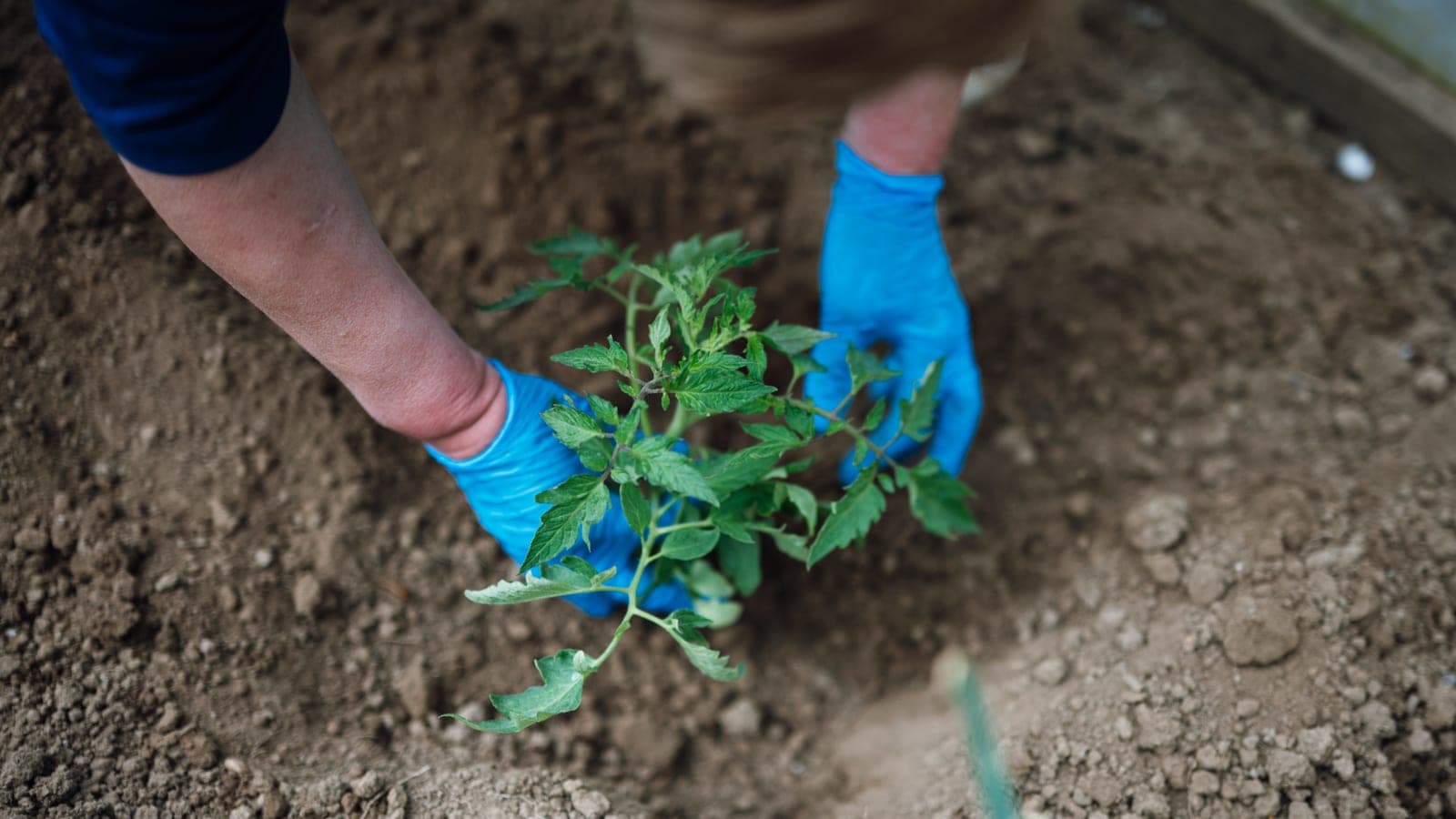
About now the punnets start turning up on back steps around Chiltern. Tomato seedlings, mostly, bought or raised on a windowsill, sitting in the sun and waiting for someone to decide it is safe to put them in.
In Victoria there is an old answer to that: plant them on Melbourne Cup Day. This year that is Tuesday 3 November, about three weeks off.
Where the Cup Day rule comes from
The first Tuesday in November has been the tomato date in Victorian backyards for a long time. A gardening column in the Bass Coast Post once put it in racing terms.
Melbourne Cup Day, the first Tuesday in November, is traditionally the day when home gardeners take a calculated punt and plant out their tomato seedlings, trusting that the odds of a late frost are now at least 100-1.
Tomatoes will not stand a frost, and Cup Day is a date nobody forgets, set far enough into spring that the risk has mostly passed. Gardening Australia gives much the same advice without the horses: plant after the latest chance of frost, which in cold areas is usually the first week of November.
Up here the rule earns its keep. The Bureau of Meteorology calls frost a common visitor to southern Australia from late autumn to early spring, and Wine Australia's profile of Rutherglen, just up the road, lists spring frosts among the district's concerns. The grape growers have to think about it, and so does anyone with a vegetable bed.
The case for planting tomatoes earlier
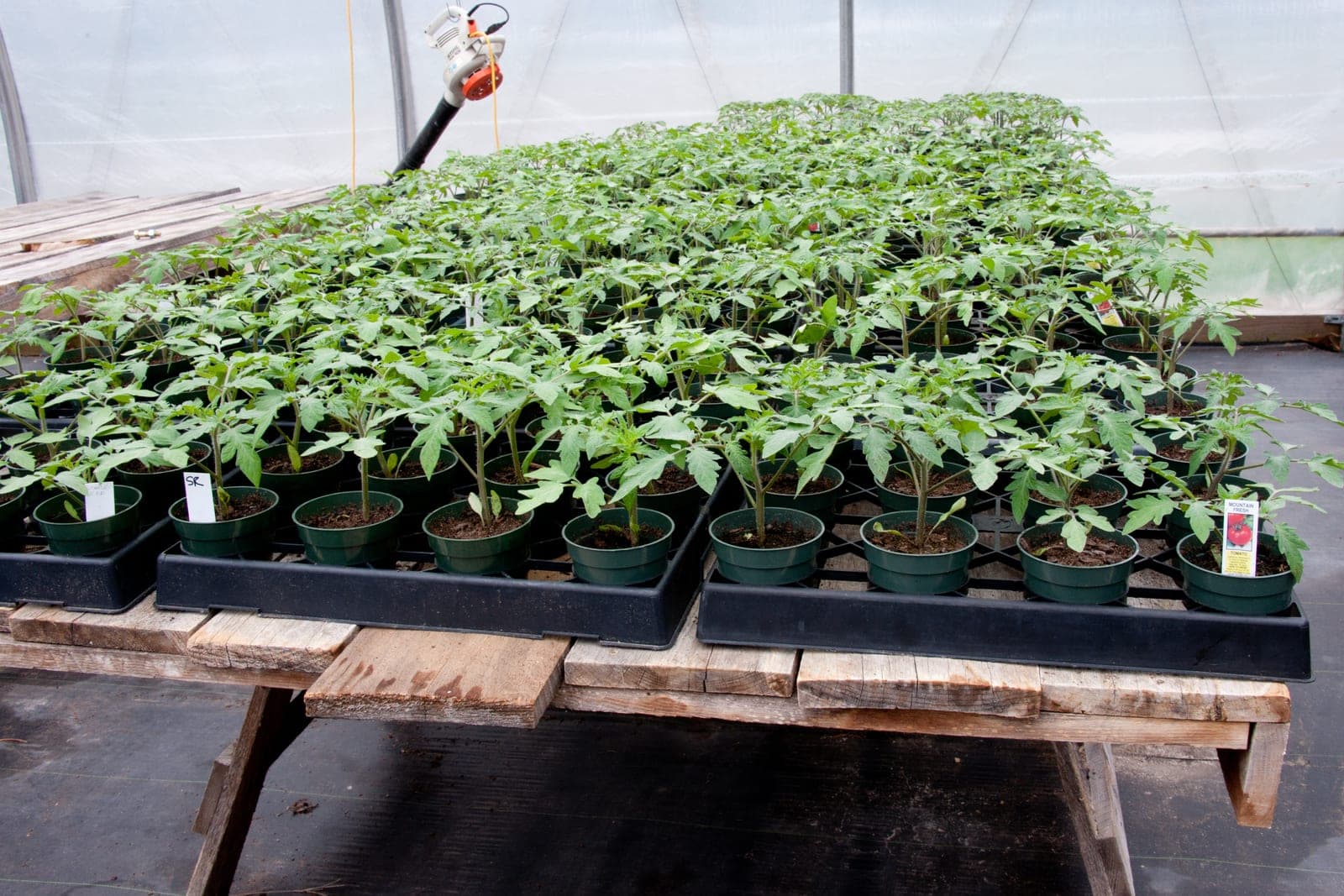
Not everyone holds to the old date. Jac Semmler, the tomato specialist at the Diggers Club, told the RACV that late September or October is the better window, because it gives the plants the longest season. Leave it until Cup Day, the article says, and you could miss out on a month or more of fruit. "Ideally, you want to get them in before Cup Day," she said, and for the big beefsteak kinds she called it critical to get them in early.
One way around it is to split the difference. A few plants go in now, close to the house where it stays a little warmer, and the rest wait for the Tuesday.
A few things worth knowing
Whichever day you settle on, these come up again and again in the advice.
- Go by the soil as well as the date. Tino Carnevale of Gardening Australia says tomatoes should not go into the garden until the soil reaches at least 16 degrees, and 18 to 20 is better.
- Watch the nights. The Bureau of Meteorology says frost is most likely under a clear sky with little or no wind, especially after a cold front. If a night like that is coming after the seedlings are in, an old sheet or an upturned bucket over them does no harm.
- Plant them deep. Carnevale sets the seedling well below the soil line of its pot and takes off any leaves that would end up underground.
- Stake them well, and prune the laterals, the side shoots, so air can move through the plant. That is the RACV guide's advice.
- Pots dry out quickly, so keep up the watering. For pots, the same guide suggests Tasmanian Chocolate or Green Grape.
Saturdays on Queen Street
If you would rather grow them in company, the Chiltern Community Garden is on Queen Street, beside Indigo North Health. Indigo Shire describes it as a place where locals grow fresh produce together, and residents meet there at 9am every Saturday to tend it.
It is a good place to ask what grows well in town, and which parts of town see the frost first.
If Saturday morning takes you to the garden, call in on Conness Street on the way. We open at seven, so there is time for a pie before the planting starts.
Thank you for reading.
More from the Journal
Lake Anderson, the Gold Mine That Became Chiltern's Lake
Nobody dug Lake Anderson as a lake. It is what was left when the ground over an old gold mine sank, and the town has made good use of it since.
Read
Orchid Season in Chiltern's Ironbark Forest
For a few weeks each spring the forest floor outside town does something the rest of the year gives no warning of, and most of it is orchids.
Read
The Shepherd Who Painted Chiltern on Gum Leaves
A shepherd on the Eldorado run had no paper or canvas, so he painted on gum leaves instead, and more than a century on his work still hangs in Chiltern.
Read