Stir-up Sunday, and the Christmas pudding made in November
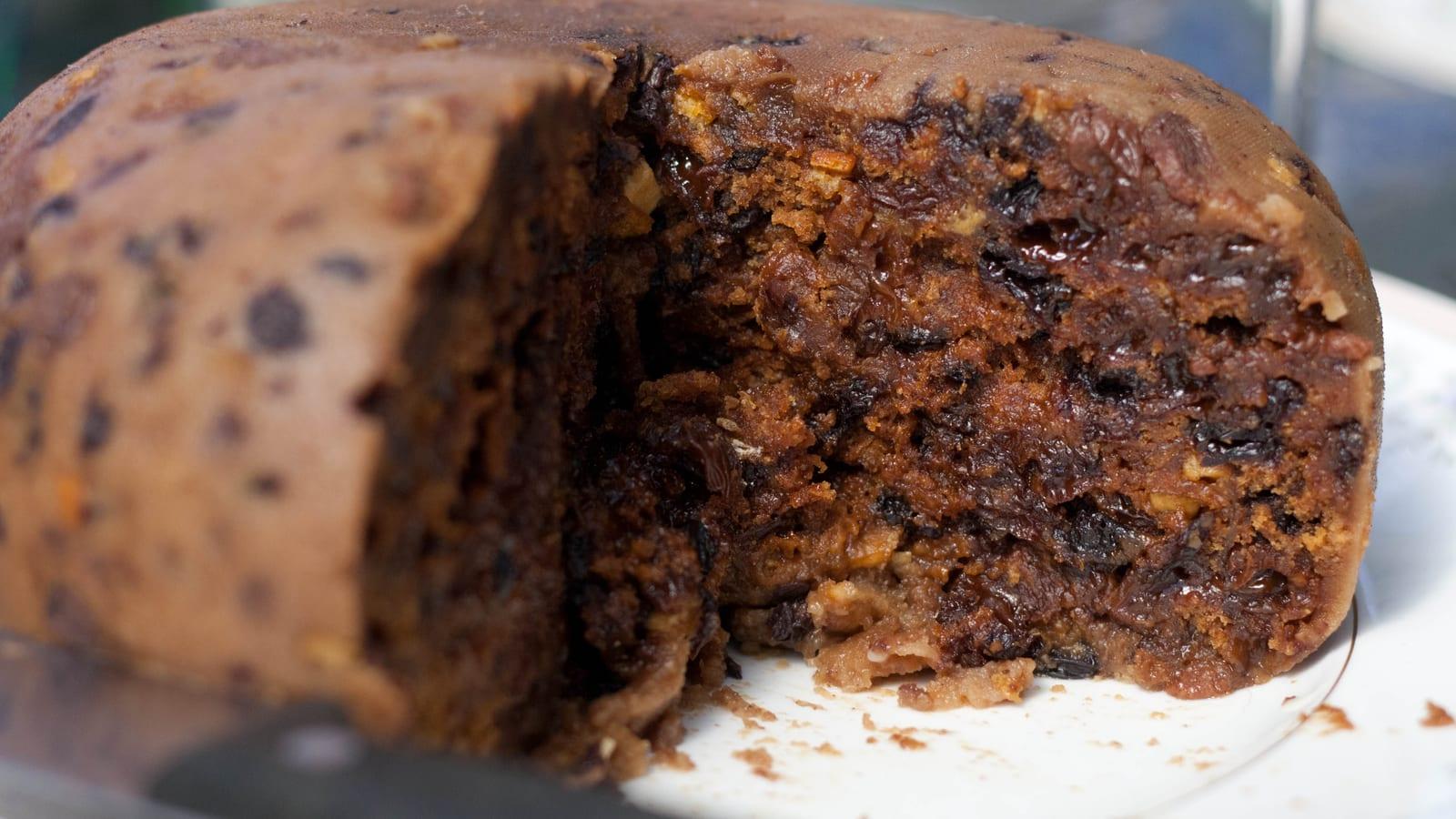
By the middle of November the evenings around Chiltern are long enough to get some of the garden done after work, and Christmas still feels a fair way off. In a good few kitchens, though, someone has already counted the weeks and gone looking for the big mixing bowl, because Stir-up Sunday is nearly here.
It falls on 22 November this year. It is the last Sunday before Advent, and by old custom it is the day the Christmas pudding gets made, so that it has a few weeks to sit and mature before it is eaten.
Where the name Stir-up Sunday comes from
The name started in church rather than the kitchen. It comes from the opening words of the collect, the short set prayer, that the Book of Common Prayer gives for that Sunday. The 1662 prayer book lists it under the twenty-fifth Sunday after Trinity, with a note that it is always to be used on the Sunday next before Advent.
Stir up, we beseech thee, O Lord, the wills of thy faithful people; that they, plenteously bringing forth the fruit of good works, may of thee be plenteously rewarded.
You can see how a congregation walking home to a bowl of fruit and suet might take that first line to heart. Somewhere along the way the prayer and the pudding settled on the same Sunday.
The customs that go with it vary from house to house. Wikipedia's entry on the day has the mixture stirred from east to west in honour of the three wise men, with each person who takes a turn making a wish for the year ahead. Some families add a silver coin or a small charm, and whoever finds it on Christmas Day is meant to have the luck.
How the pudding came out here
Nancy Cushing and Julie McIntyre, historians at the University of Newcastle, traced the pudding's Australian life in a piece for The Conversation. They write that it was here from the very beginning of British colonisation, when the military and civil establishment were issued beef suet and raisins for their puddings on top of the usual Christmas rations.
In Britain it had begun as an ordinary winter dessert. Here it ended up tied to a midsummer dinner, and more and more of what went into it was grown in this country. The historians point to the Murrumbidgee Irrigation Scheme, which let farmers in the Riverina grow more citrus for candied peel and more grapes for drying. As they put it, the pudding may not have originated in Australia, but by now its ingredients certainly did.
The coins have a story of their own. When decimal currency came in in 1966 there was some worry about whether the new coins would do for puddings, and testing found they would not: they turned green and left an odd taste. The Mint, Cushing and McIntyre note, still sells old threepences and sixpences for the purpose, with a warning to add them after the pudding is cooked.
A few things worth knowing
- Give it time. Most recipes want the pudding kept for several weeks to mature, which is the reason for making it in November at all.
- Soak the fruit first. Gourmet Traveller's dark fruit mixture for puddings has the fruit macerating for at least a week, and suggests muscat in place of brandy for a richer result. Rutherglen, just up the road, is best known for its sweet fortified wines, so the muscat need not travel far.
- The traditional pudding goes in a cloth. Cushing and McIntyre describe it wrapped in a floured cloth of calico, muslin or cheesecloth and cooked in a pot of boiling water, then stored and reheated in the same cloth.
A Sunday with the bowl out
Not every house bothers any more. Plenty of people buy a pudding, and plenty more would rather have something cold on a hot Christmas Day, which is fair enough in a north-east Victorian summer. The ones who do make it tend to keep at it year after year, and the Sunday itself is a good part of the reason: the bowl on the bench, and somebody being called in from the garden to take their turn with the spoon.
If a week of soaking fruit leaves no time for baking anything else, drop in on your way past. We open at 7am, and the bread is out early.
Thank you for reading.
More from the Journal

When the Murray cod season opens around Chiltern
The Murray cod season opens again on Tuesday 1 December, after a spring closed for breeding. Why the rivers close, and how far a cod will travel in the Ovens.
Read
Remembrance Day and Chiltern's memorial gates
Two pillars on Conness Street carry the words Lest We Forget. A short history of Chiltern's memorial gates, and of the silence kept each Remembrance Day.
Read
Chiltern's 1867 grapevine at the old Star Hotel
On the corner of Main and Conness streets, a vine planted in 1867 is in leaf again. A short history of the Chiltern grapevine and the hotel it grows behind.
Read