When the Murray cod season opens around Chiltern
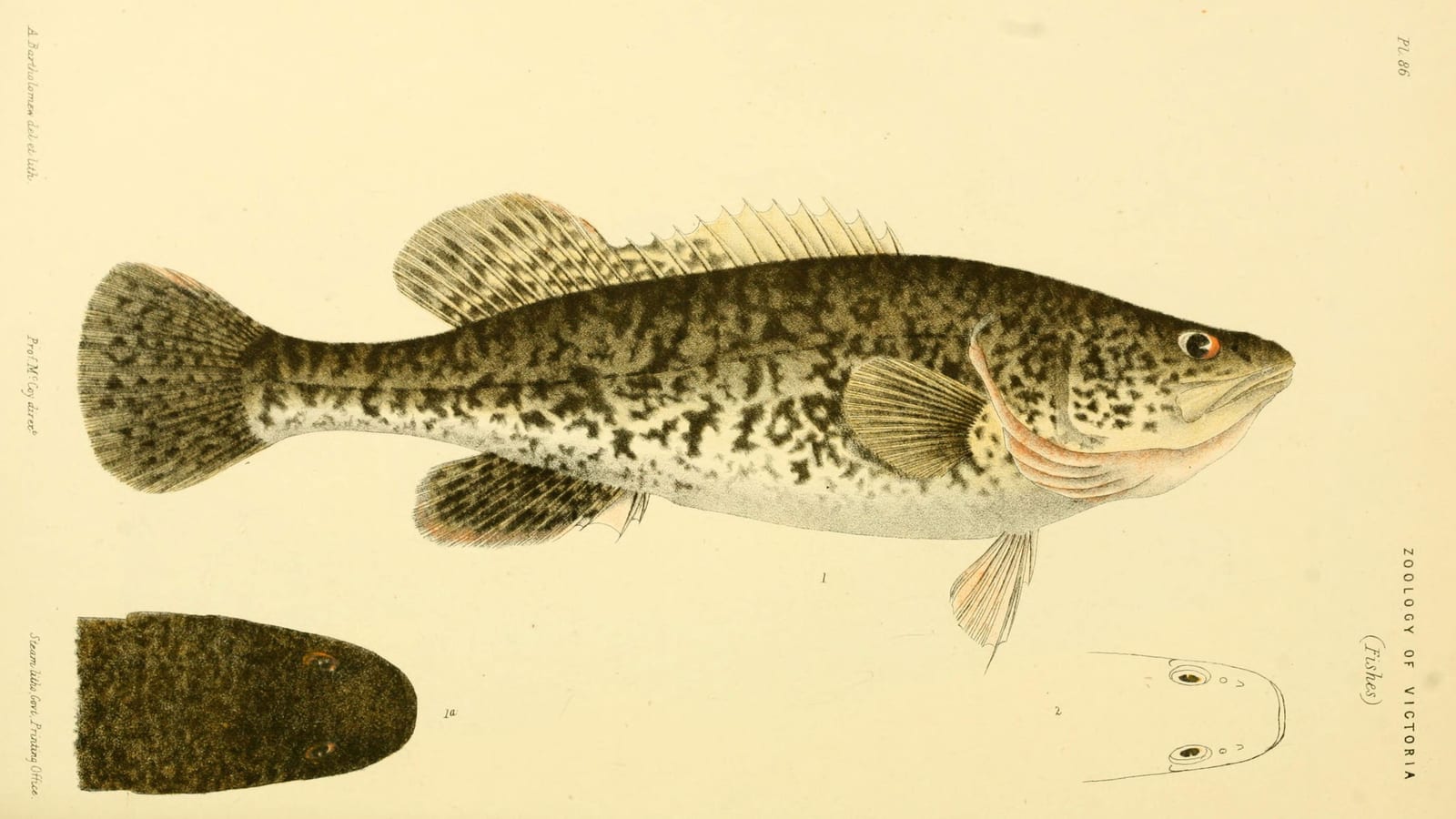
Late spring is a quiet time on the rivers north of Chiltern. The evenings are drawing out and the water is warming, but anyone who fishes for Murray cod has kept the rods in the shed since the end of winter.
That changes on the first of December. The Murray cod season opens again that morning, a Tuesday this year, after three months closed through spring in most of Victoria's rivers and lakes north of the Great Dividing Range.
Why the rivers close in spring
The Victorian Fisheries Authority, the VFA, sets the Murray cod closed season at 1 September to 30 November inclusive in its recreational fishing guide. The guide also lists the waters it doesn't apply to, most of them heavily stocked lakes such as Eildon and Eppalock.
The reason is the breeding season. The VFA's notes on the species say Murray cod spawn in spring and summer, once the water is somewhere between 16 and 21°C. A female can lay up to 40,000 eggs in a hollow log or in shallow water, and they hatch 6 to 13 days later.
When three of those stocked lakes were opened to cod fishing all year round in 2024, the VFA's director of fisheries management, Luke O'Sullivan, explained where the line falls.
The Murray cod closed season is really important in many rivers and lakes to allow these treasured native fish a chance to breed, but that's not the case in several impoundments we heavily stock like Eppalock, Nillahcootie and Cairn Curran.
How far a cod will travel in the Ovens
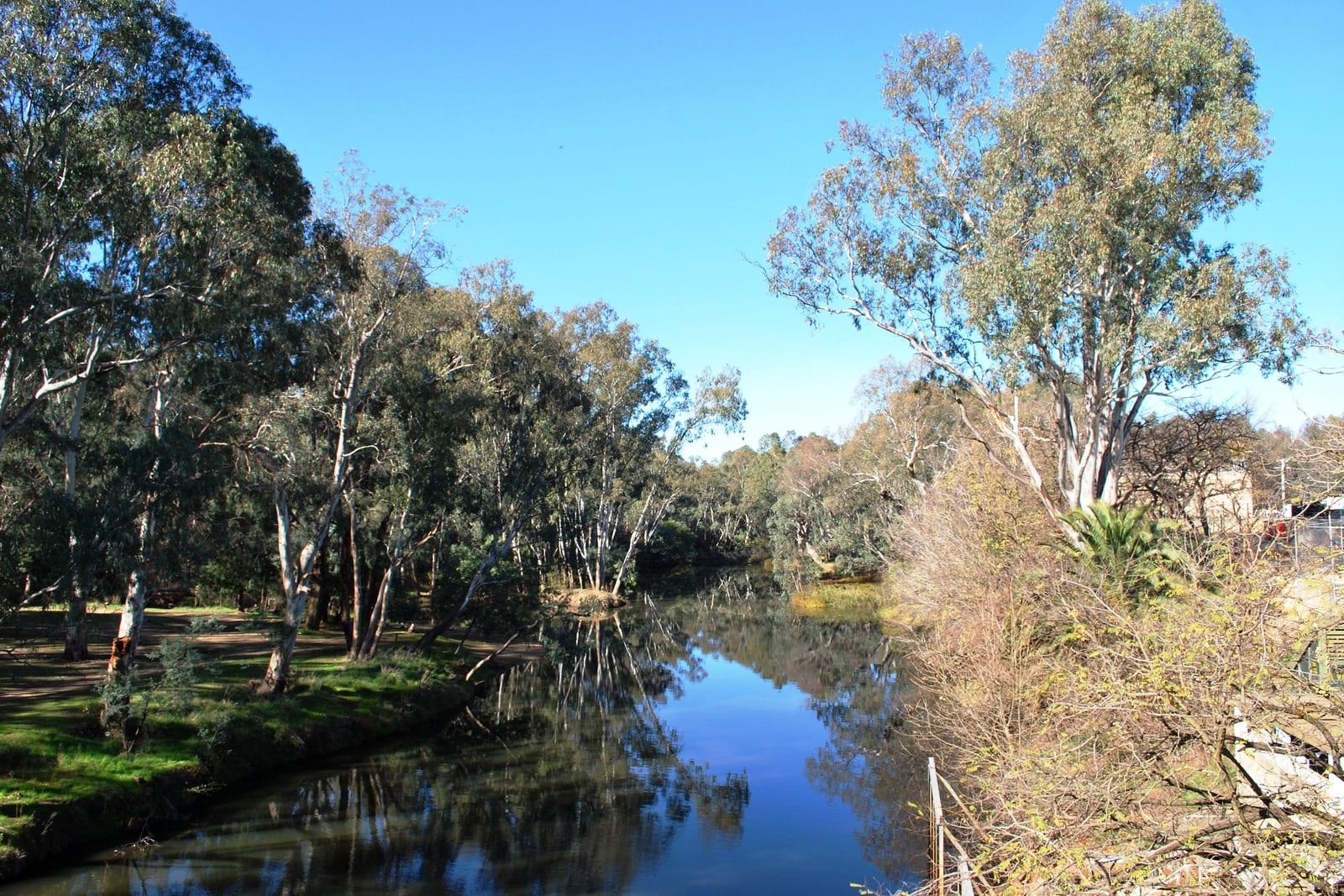
The Ovens River rises at Harrietville, under the Alps, and runs down past Bright, Myrtleford and Wangaratta before it meets the Murray near Bundalong. Its lower reaches are where researchers have followed Murray cod with radio transmitters.
For a long time cod were thought to be homebodies. The VFA says they were believed to be very territorial, moving less than 10 km, which suggested that overfishing or pollution in one stretch of river could wipe out the cod living there. Tracking fish in the lower Ovens with miniature transmitters showed otherwise. In flood and spawning time the cod moved as far as 90 km, then came back to almost the same spot.
They are big fish to be making that trip. The VFA calls the Murray cod the largest of Australia's native freshwater fishes, able to reach 1.8 metres and 113.5 kg, although most run to 55-65 cm and 2-5 kg.
A few things worth knowing before the first
- Check the size before you keep one. The VFA's guide sets a legal size of 55 to 75 cm and a bag limit of one cod in rivers. Under the slot limit, in place since 2014, every cod under 55 cm or over 75 cm goes back.
- The Murray itself is New South Wales water. The VFA notes that NSW rules apply and a NSW fishing licence is needed even when you are standing on the Victorian bank, and that a Victorian licence is not valid on the river except at Lake Hume.
- Keep a released cod in the water. The VFA's handling advice is to keep the fish in the water where you can, and if you lift it, to support its whole body and aim for 30 seconds or less in the air.
- Until then, fish for something else. While the cod are on the nest, the VFA suggests giving them a rest and going after golden perch or redfin instead.
For anyone who does keep one, the VFA's species notes say the smaller fish have the better flavour and keep well, while the big ones tend to be coarse and oily.
If you are heading up to the river on the first, we open at 7am. That is late for a cod fisher, but early enough to call in for a pie and a loaf on the way home.
Thank you for reading.
More from the Journal
Stir-up Sunday, and the Christmas pudding made in November
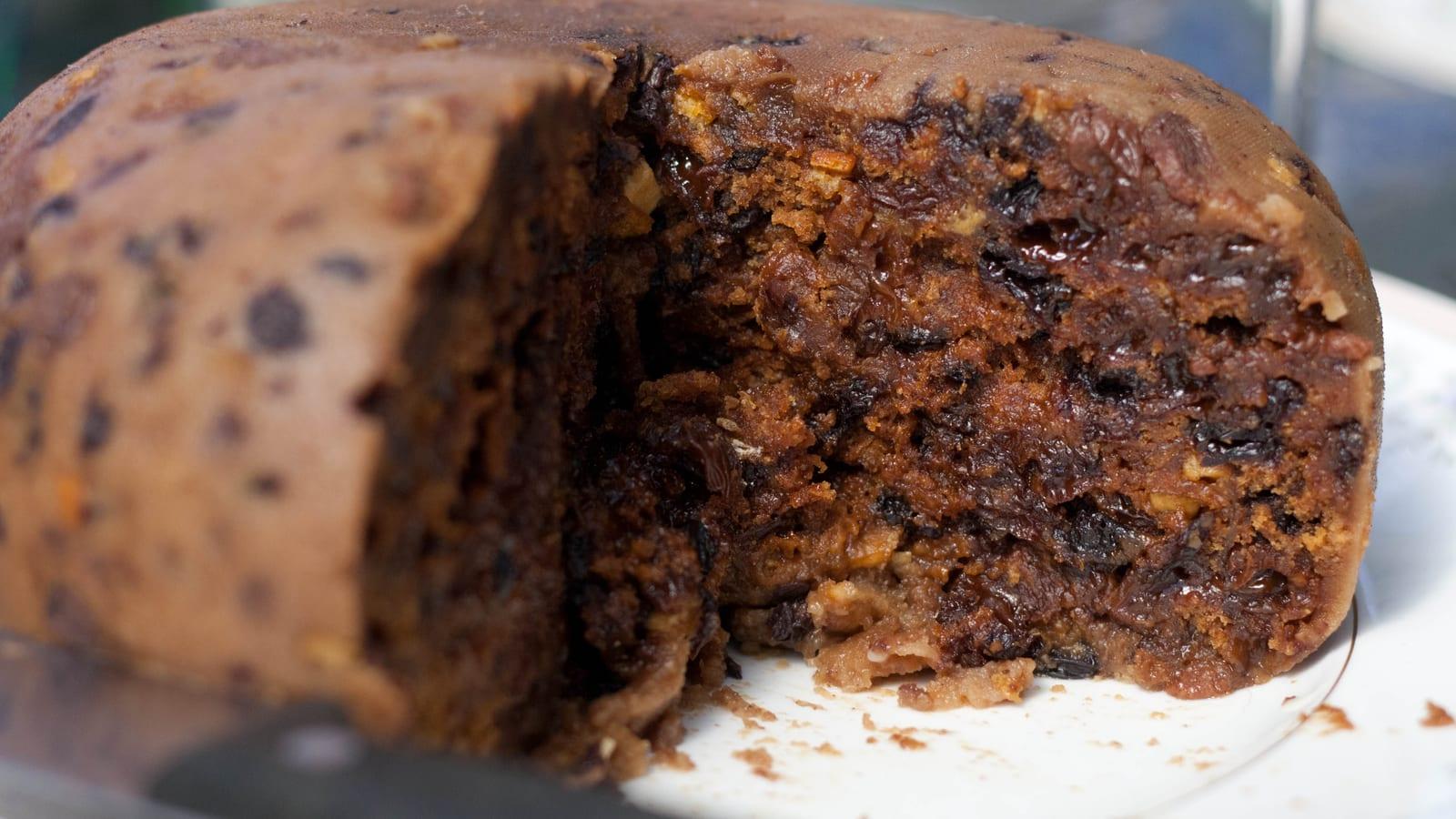
Stir-up Sunday falls on 22 November this year, the old day for making the Christmas pudding. Where the name comes from, and how the pudding came out here.
Read
Remembrance Day and Chiltern's memorial gates
Two pillars on Conness Street carry the words Lest We Forget. A short history of Chiltern's memorial gates, and of the silence kept each Remembrance Day.
Read
Chiltern's 1867 grapevine at the old Star Hotel
On the corner of Main and Conness streets, a vine planted in 1867 is in leaf again. A short history of the Chiltern grapevine and the hotel it grows behind.
Read