Haymaking season around Chiltern, from paddock to shed
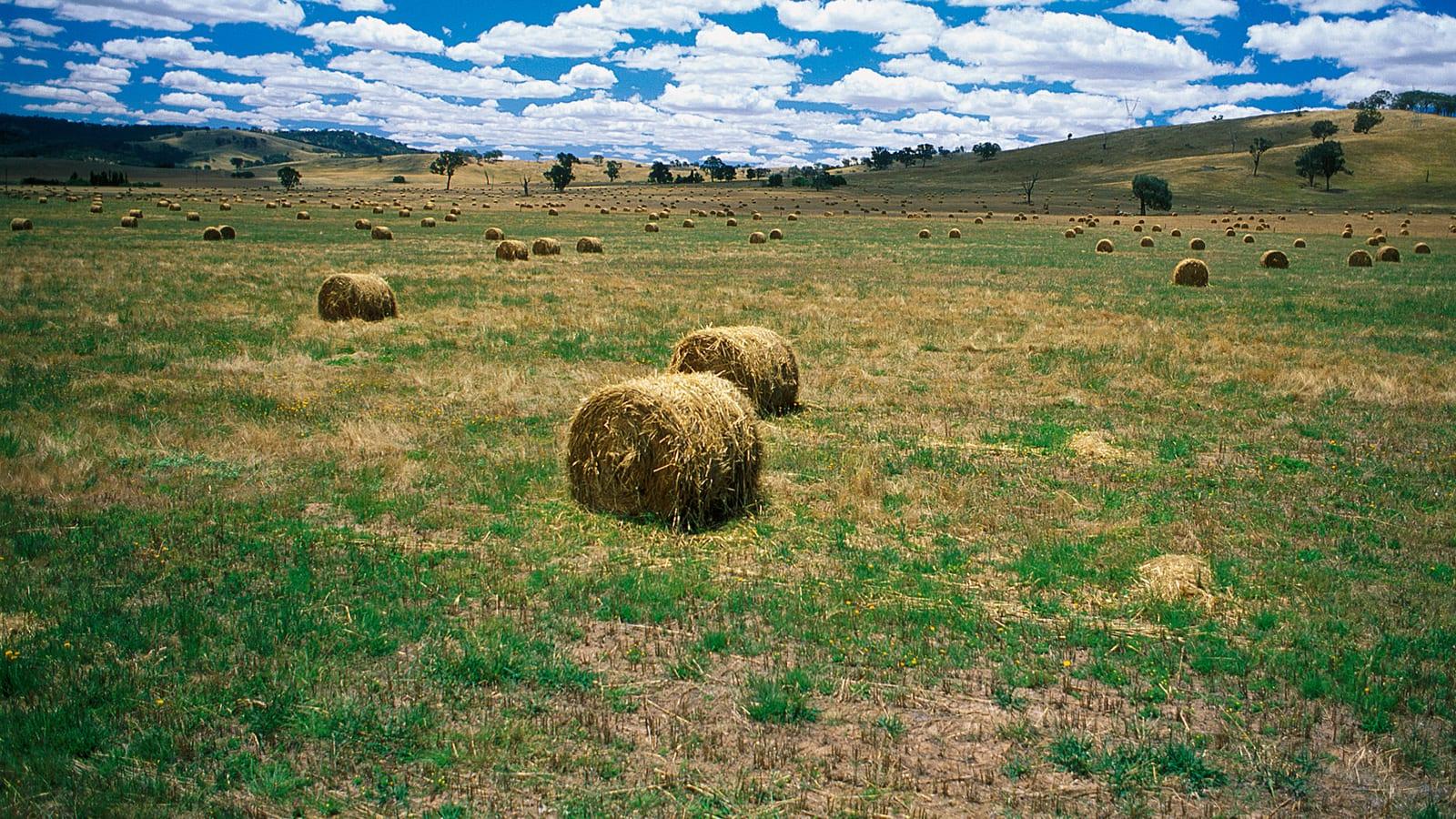
Drive out of Chiltern in late November and the paddocks along the back roads have changed again. A few weeks ago the grass was standing tall. Now a good many of them are cut flat, the grass lying in long pale rows, and here and there a tractor works its way up and down with a baler behind it.
It is haymaking season in the north-east, the short stretch of late spring when the grass has done its growing and farmers try to get it dried and under cover before summer sets in. What goes into the shed now is what the cattle and sheep will eat later, when the feed in the paddocks runs thin.
How a paddock turns into hay
The job has not changed much in outline, even if the machinery has. Wikipedia's entry on hay sets it out plainly: the grass is cut at the right stage of growth, left to dry, preferably in the sun, then raked into long narrow rows called windrows and gathered up into bales to be stored.
Timing is most of the skill. Grass cut too early holds too much moisture to cure well, and grass left too late goes coarse and loses some of its value as feed. The same entry puts the best window at about two weeks. While it lies in the paddock the cut hay is turned with a rake or a tedder to help it dry, which is why you can see the one paddock worked over several times in a week.
When haymaking was done by hand
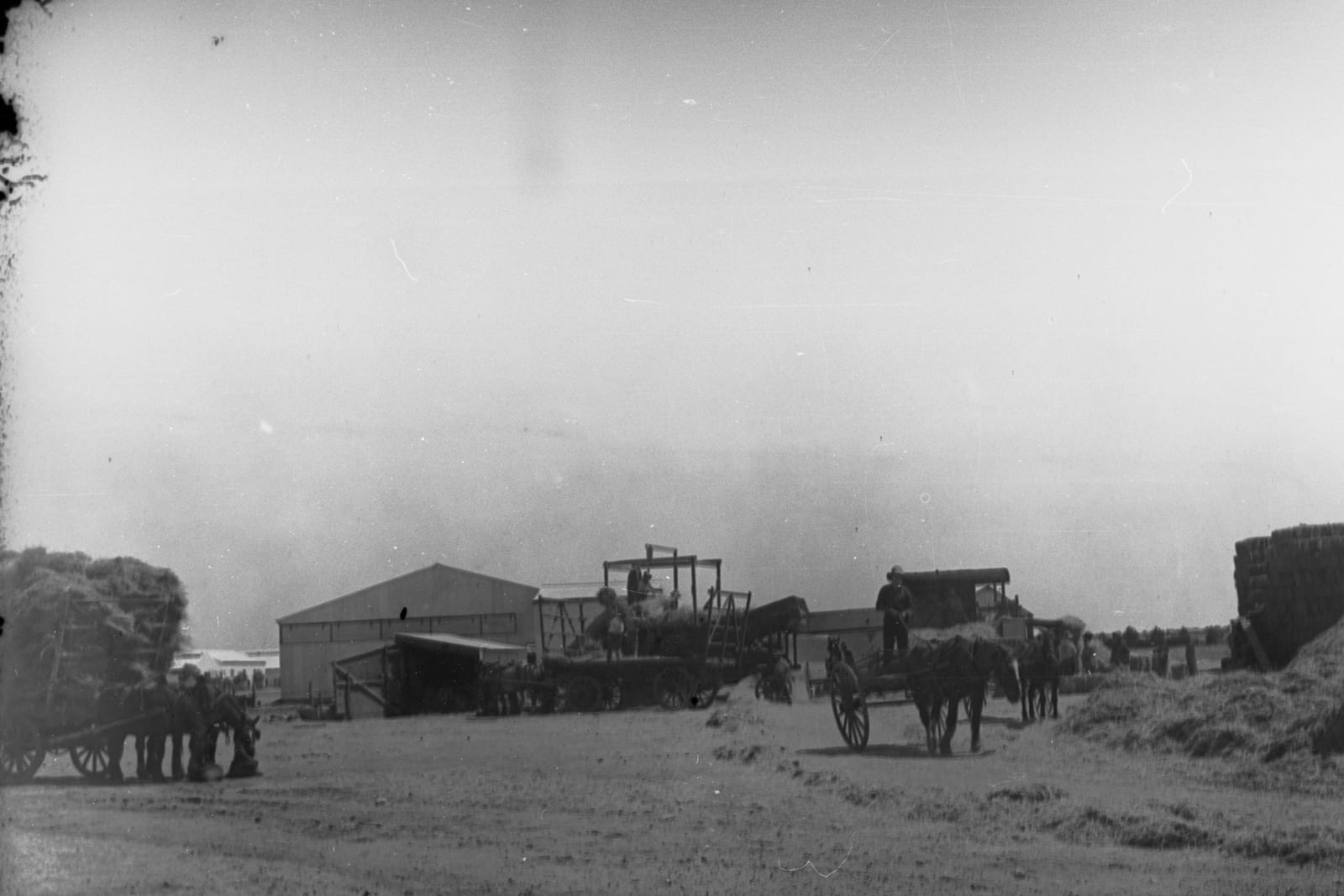
For a long time the whole job was done by hand and by horse. Wikipedia describes hay cut with a scythe and later with horse-drawn mowers, raked into rows, and pitched loose onto a cart with forks. Back at the farm it was built into a haystack, and building one was a skilled task, because the stack had to shed rain as it went up.
Many farms fenced the stack off in a rick yard to keep the stock away from it. Through the winter someone would go out with a hay knife and cut slices off it for the animals each day. The round bales left sitting in the paddocks this time of year are the same idea, rolled up tight and a good deal easier to shift.
Why the CFA keeps an eye on the haystacks
Hay that goes into a stack damp does not stay quiet. The Country Fire Authority explains that green or damp hay lets bacteria and fungi grow, and the heat they give off builds up much as it does in a compost heap. Once the inside of a stack reaches about 70 degrees, the temperature can climb quickly to the point where the hay catches alight on its own, at around 180 degrees.
The CFA attends around 150 haystack fires a year and names this spontaneous combustion as the leading cause in Victoria. It can happen anywhere from two weeks to three months or more after baling, so hay put away in November can still be a worry well into the new year.
The warning has been made to our corner of the state before. In October 2021 the Border Mail reported the CFA urging North East and Border farmers to check their hay was at the right moisture level before baling. Brett Myers, the CFA's commander for District 24 at the time, told the paper the trouble was moisture trapped inside a tight bale.
When it is baled, the baling process allows the moisture to accumulate in the hay bale and because of the tightness of the bale, it can actually generate heat.
A few things worth knowing
- Bale it dry. The CFA says hay should be fully cured before baling, with a moisture content of no more than 20%, and recommends 12-18% as a precaution.
- Test the hidden spots too. The CFA's advice is to check the plant nodes and the heads inside the leaf sheaths, where moisture can hide from a quick look.
- Leave room at the top of the shed. The CFA suggests not stacking hay right up to the roof, so air can move above it and carry the moisture away.
- Trust your nose. Among the warning signs the CFA lists are a burning, musty, caramel or pipe-tobacco smell, and condensation or rust under the shed roof.
- The old crowbar test still works. The CFA's method is to push a crowbar deep into the stack and feel the end after two hours. If it is too hot to hold, call Triple Zero (000) and leave the stack alone, since pulling it apart can let in the air a fire needs.
The smell of cut hay
For those of us who don't farm, the season mostly arrives as a smell. Wind the window down on the back roads out of town and the cut paddocks come in with it, sweet and a little dusty. It doesn't last long. A few weeks on, the bales have gone into the sheds and the paddocks are down to stubble.
If you are out that way early, carting hay or just driving through, call in on the way back. We open at 7am on Conness Street, and the bread is out early.
Thank you for reading.
More from the Journal
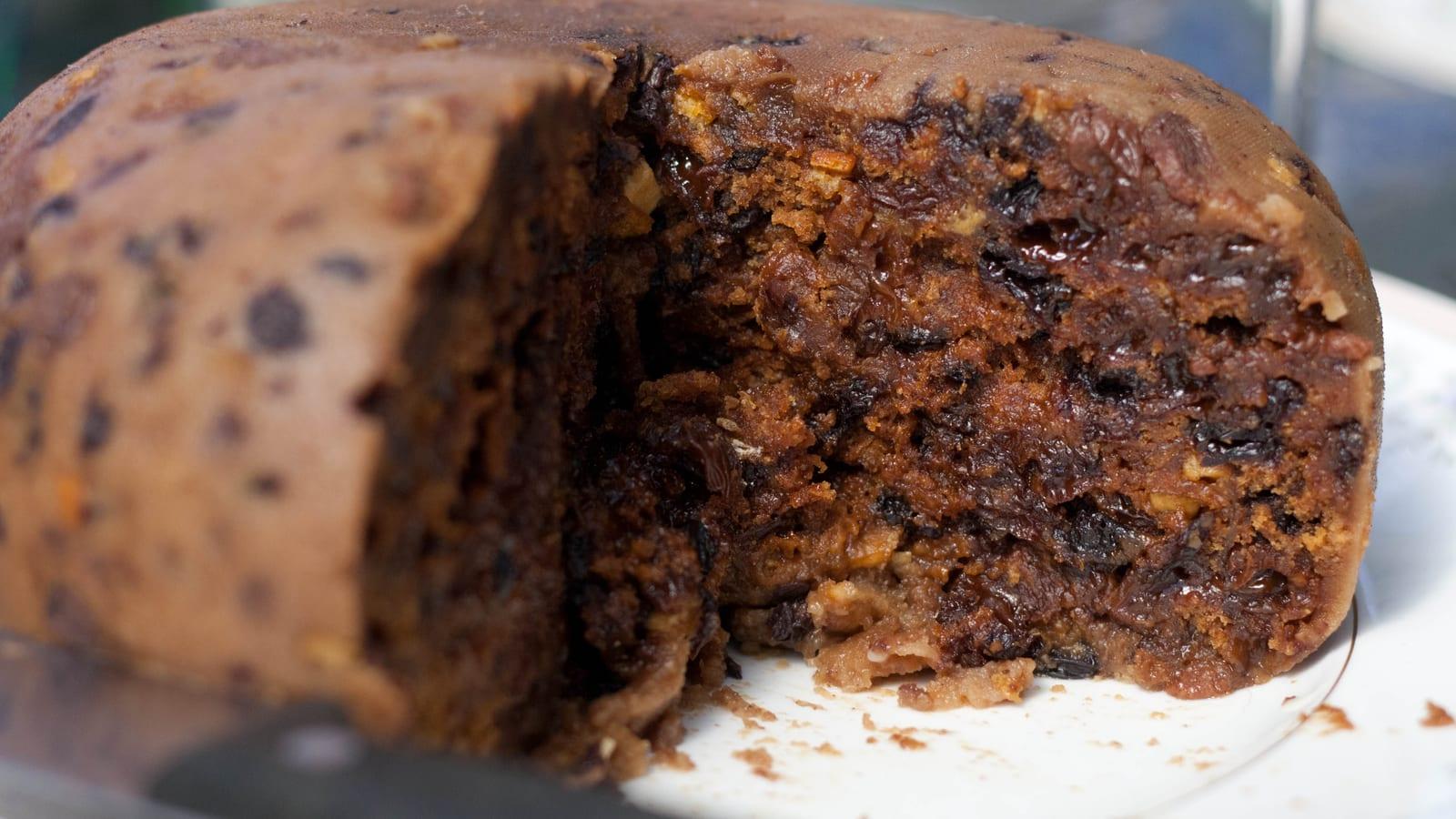
Stir-up Sunday, and the Christmas pudding made in November
Stir-up Sunday falls on 22 November this year, the old day for making the Christmas pudding. Where the name comes from, and how the pudding came out here.
Read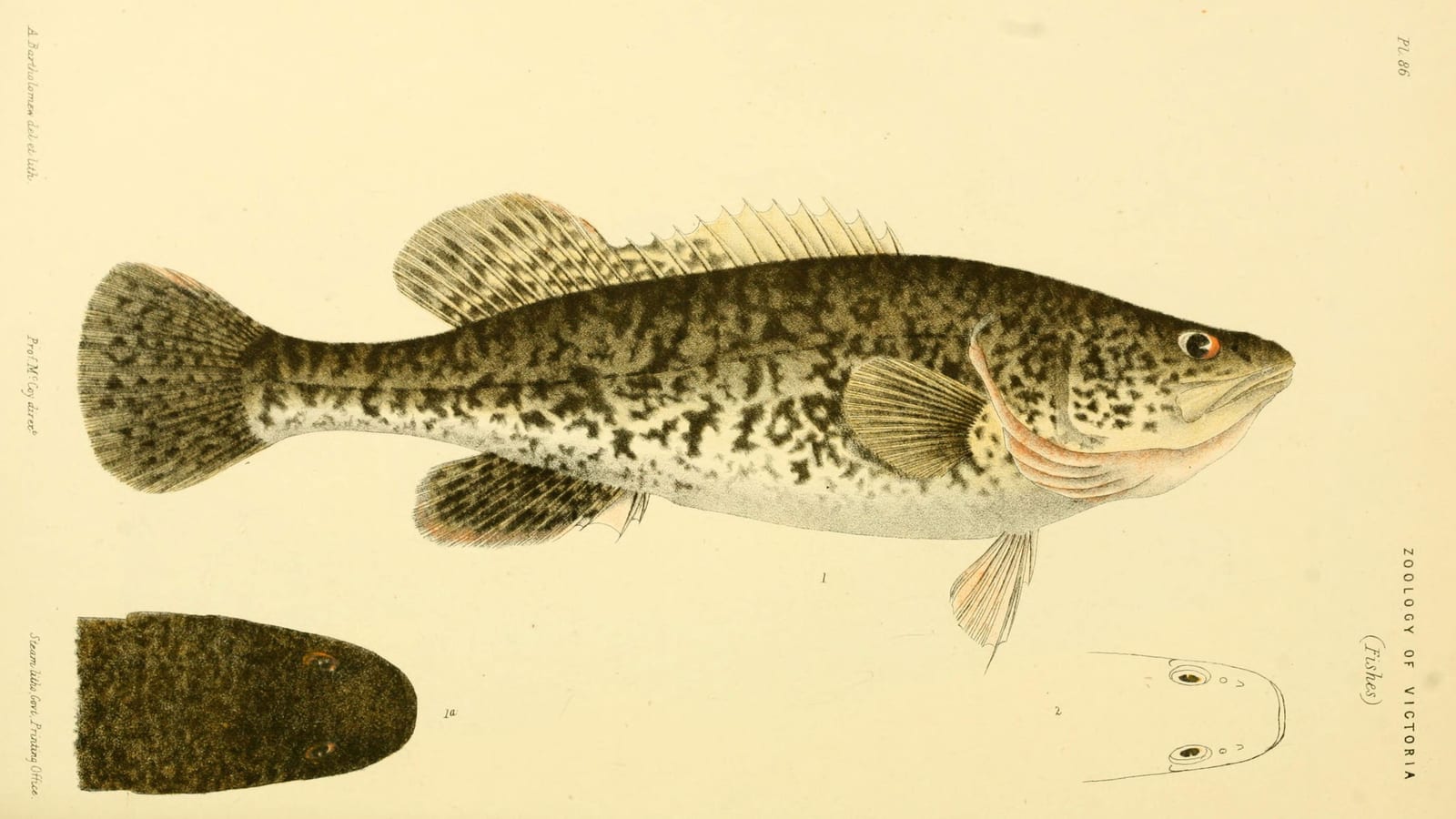
When the Murray cod season opens around Chiltern
The Murray cod season opens again on Tuesday 1 December, after a spring closed for breeding. Why the rivers close, and how far a cod will travel in the Ovens.
Read
Remembrance Day and Chiltern's memorial gates
Two pillars on Conness Street carry the words Lest We Forget. A short history of Chiltern's memorial gates, and of the silence kept each Remembrance Day.
Read