The winter truffle, and the dogs that find it
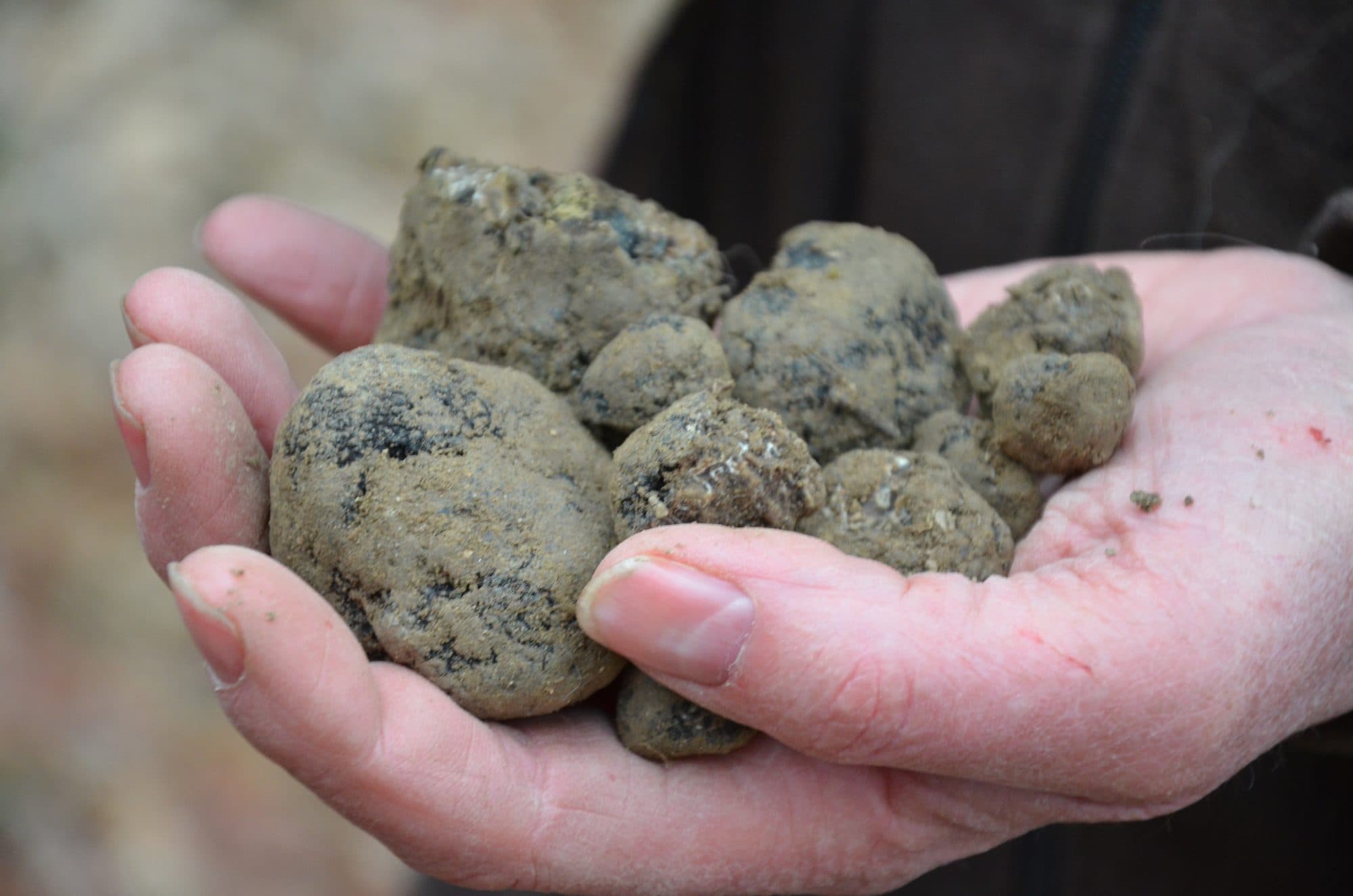
July is the quiet end of the year up here in the north-east. The ground is cold and slow, the mornings come in under frost, and most of the district is content to wait the winter out. And yet under a stand of oak trees somewhere near here, in these same cold weeks, one of the odder crops in the country is being lifted out of the dark. The winter truffle keeps strange company with the season. It wants the cold the rest of us are hiding from.
A winter crop that grows in the dark
A truffle is a fungus that grows underground, in and among the roots of certain trees. The prized one, the black truffle of Périgord, grows on oak and hazel, feeding the tree and being fed by it in return. It never breaks the surface. It swells through the autumn and ripens in the cold, which is why the southern half of the world takes its truffles in the depth of winter, from about June to August, while the old truffle country of France and Spain and Italy is asleep in its summer.
They can be grown, with patience and a good deal of luck. Growers plant young oaks whose roots were set with the truffle when they were seedlings, then wait the better part of a decade to see whether the ground will oblige. Some of that planting has happened in our own corner of the state. In the King Valley, south of Wangaratta, a family put in rows of English and French oak back in 2010 and have been lifting truffles from under them through the cold months since. It is slow, uncertain work, and the winter frost the valley gets so reliably is part of what makes it possible at all.
The dogs that find the truffles
The catch with a truffle is that you cannot see it. It sits a hand's depth under the leaf litter and gives nothing away above ground, so finding one means finding its smell. For a long time that job went to pigs, who take to it naturally, the trouble being that a pig which finds a truffle wants to eat the truffle, and usually wins the argument. So the work has passed almost entirely to dogs, who will hunt all morning for the pleasure of it and a bit of praise, and hand the prize over without a fuss.
A working nose
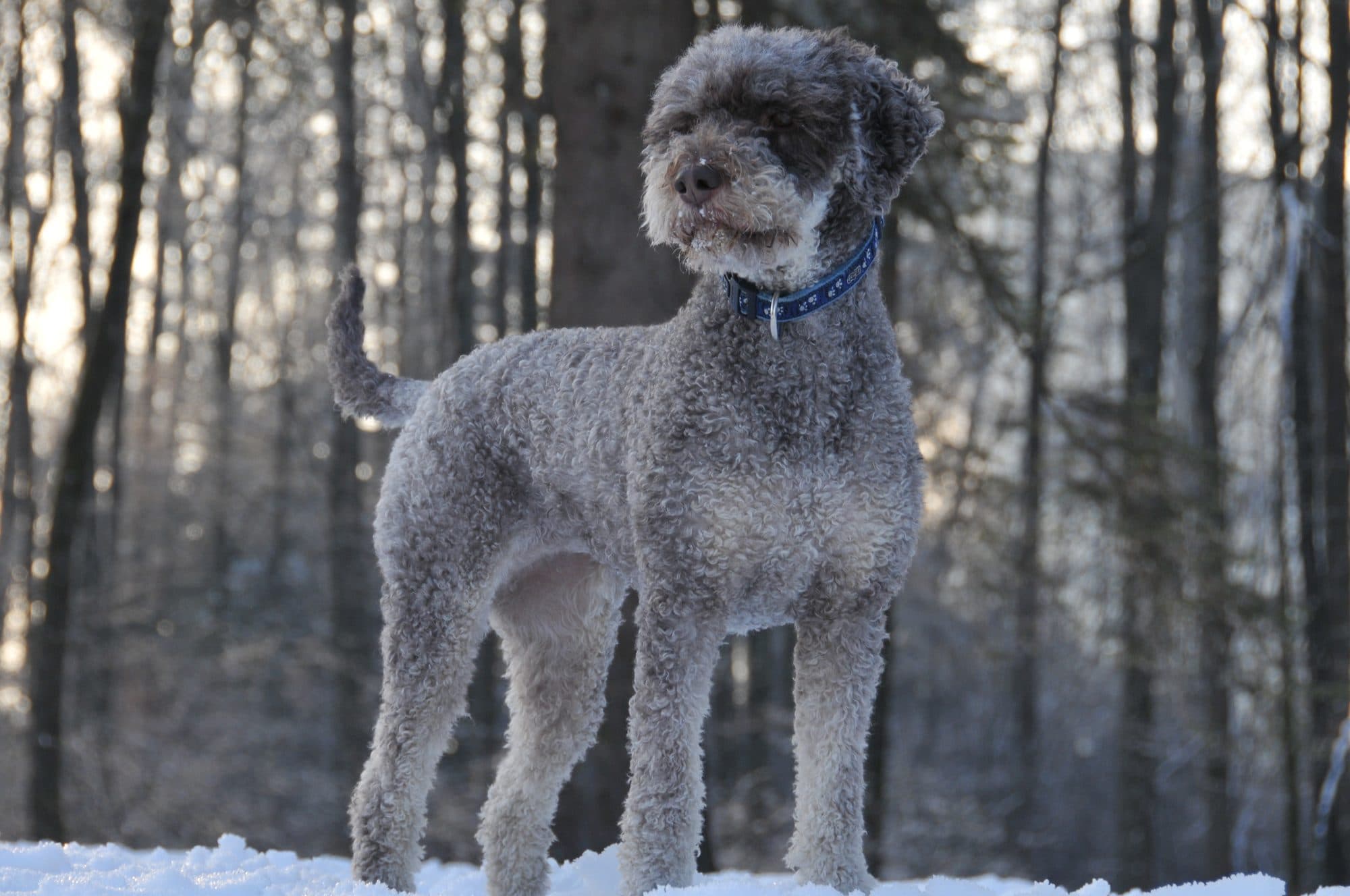
The classic truffle dog is the Lagotto Romagnolo, a small, curly, wool-coated breed from the Romagna in northern Italy. It began as a water dog, sent out to bring back shot birds from the marshes, and when the marshes were drained it turned its nose to the hills and the truffles instead. A good one will catch the scent from a fair way off and from well under the ground, then sit or scratch to mark the spot and wait for the person to catch up. It is calm, patient work, done in the cold, and a dog that loves it is a fine thing to watch.
What to do with a truffle
A truffle is a quiet, powerful thing, and a very little of it goes a long way. It does its best work alongside plain, warm food that gets out of the way and lets the smell come through. Nothing clever, nothing rich enough to fight it. The oldest advice is still the best: keep it simple, and keep it warm.
- Shaved thin over soft, slow eggs, which carry the smell better than almost anything.
- Tucked in with butter for a day or two so the butter takes on the scent, then spread on warm toast.
- Grated through a plain bowl of pasta at the table, off the heat.
- Laid over warm bread torn straight from a fresh loaf, with good butter and nothing else.
The plainest thing on the table
That last one is where a place like ours comes into it. We are a bakery, not a truffle farm, and we make no claim on the fancy end of a winter table. What we can tell you is that the plainest thing on that table is often the one doing the most work. A warm loaf, torn and passed round, with butter going soft into it, is the honest ground a rare thing like a truffle needs to stand on. We bake every morning, the plain white and the wholegrain both, and the bun dough comes out very soft and very moist, which is exactly what a cold morning wants, truffle or no truffle.
So if you find yourself with something special to cook this winter, or with nothing special at all, the bread is the easy part. Come in on a cold Saturday morning while the loaves are still warm from the deck oven, take a window table on Conness Street, and let the truffle, if you have one, do the rest. If you do not, the bread and butter will manage on their own, the way they always have.
Thank you for reading.
More from the Journal
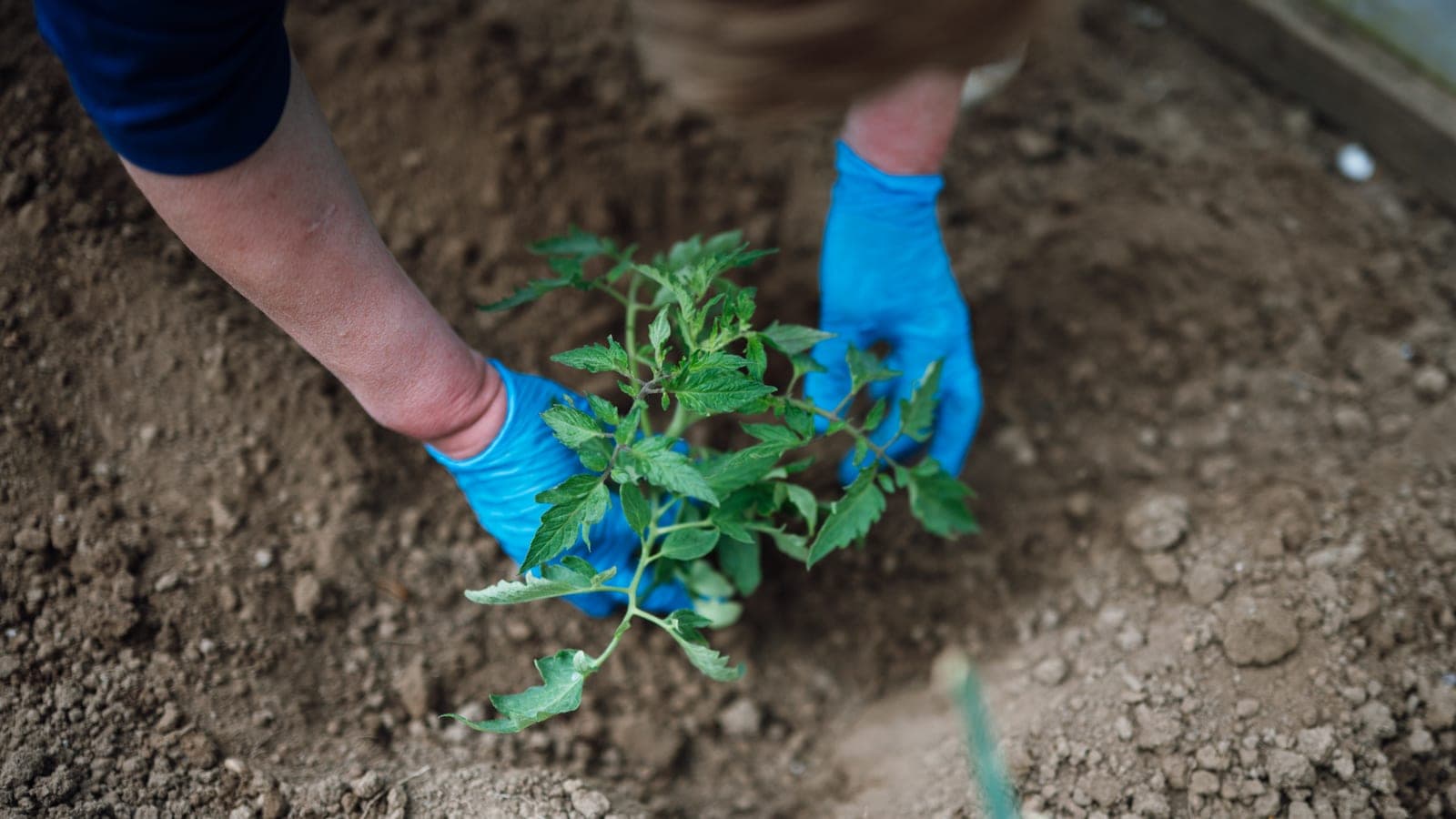
Tomatoes by Cup Day: Spring Planting Around Chiltern
Plenty of Victorian gardeners still wait for Melbourne Cup Day to plant their tomatoes. Around Chiltern the reason is frost, and the rule bends a little.
Read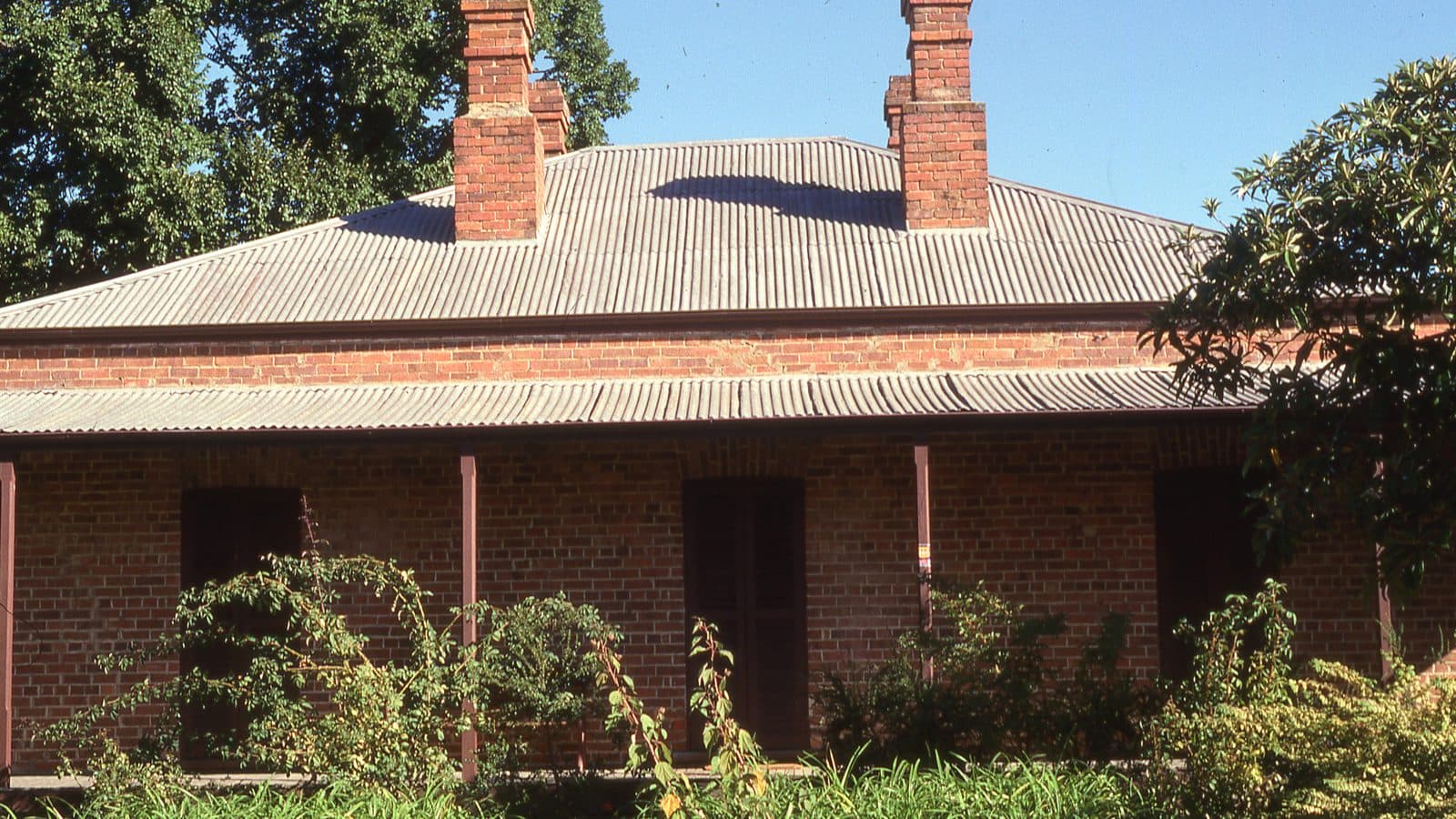
Lake Anderson, the Gold Mine That Became Chiltern's Lake
Nobody dug Lake Anderson as a lake. It is what was left when the ground over an old gold mine sank, and the town has made good use of it since.
Read
Orchid Season in Chiltern's Ironbark Forest
For a few weeks each spring the forest floor outside town does something the rest of the year gives no warning of, and most of it is orchids.
Read