Christmas in July: a mid-winter feast, and where it came from
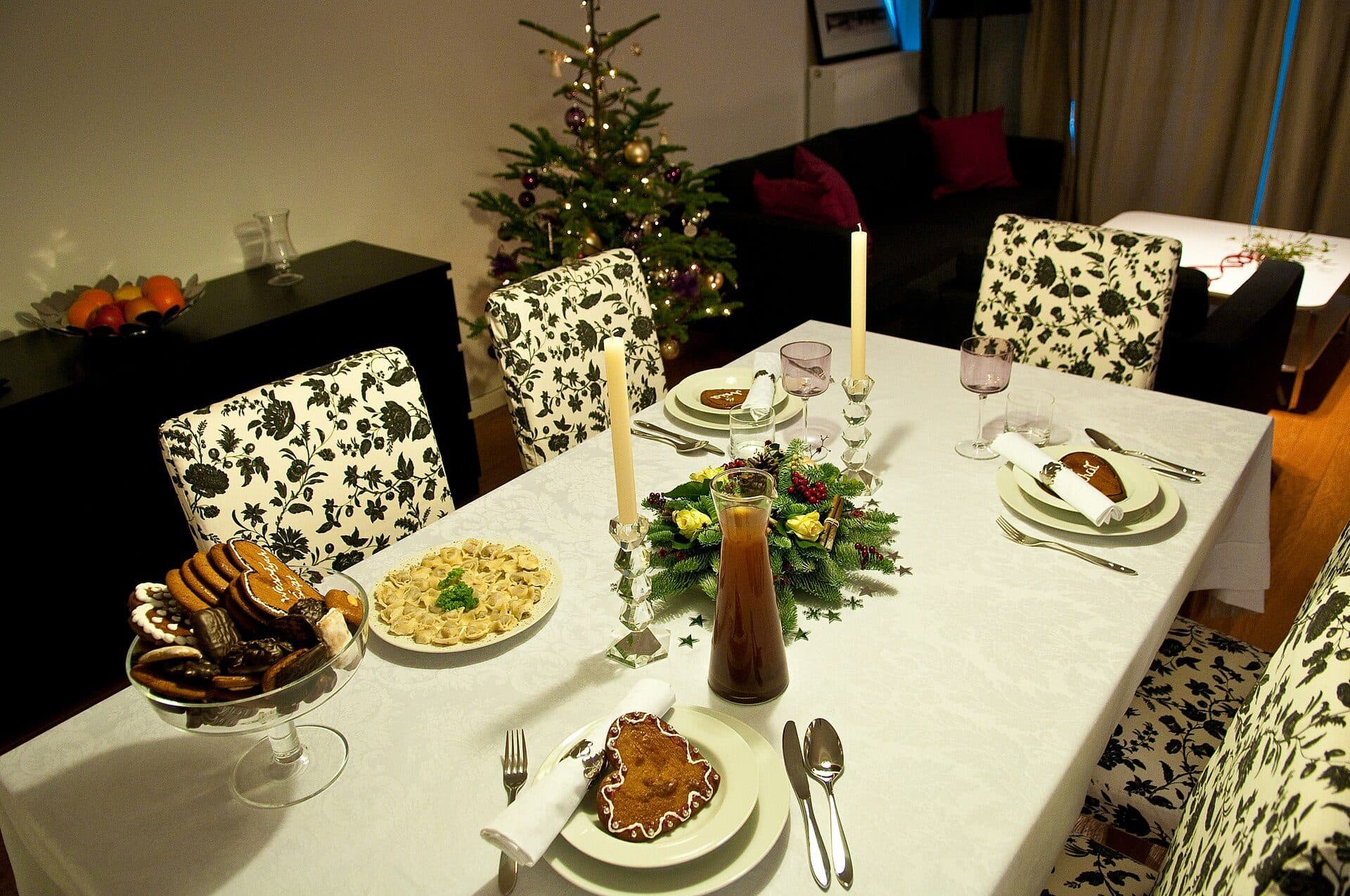
July is the coldest, darkest stretch of the year up here in the high country. The cold gets into the house by the middle of the afternoon and stays there until the oven goes on. It is a long way from anything worth celebrating. So a fair slice of the country, sensibly enough, sits down in the middle of it to a second Christmas. Roast and gravy, a pudding set alight, carols if someone insists on them. In July. It is one of the odder things we do, and one of the nicest, and like most of the good ones it began almost by accident.
Australia has always had a small quarrel with its real Christmas. The cards show snow and firesides and hot heavy food, and then we eat it at thirty-eight degrees with the fan going, trying to feel something the weather will not supply. Christmas in July sorts that out. It takes a feast that was built for the dark and the cold and hands it back the weather it was meant for. For once the pudding makes sense.
A fire, some homesick guests, and a good idea
The story most people tell starts in 1980, at a guesthouse called the Mountain Heritage, in Katoomba, up in the Blue Mountains. A group of Irish travellers were sitting by the fire on a bitter night, watching the cold come down outside, and said the thing homesick people say in winter: it feels like Christmas, and it is a shame it isn't. The host, Garry Crockett, was listening. He thought of his own Irish father's stories of a proper Christmas in the cold, the frost on the windows and a hot dinner while it snowed. So he made them one. A full Christmas dinner, in the middle of the year, because the weather had asked for it.
It could have stayed one dinner and been forgotten. Instead the other operators along the mountains saw the sense in it. Here was a reason for people to drive up in the low season, a warm room to sell on a cold weekend. Within a few years the whole range was doing it. They called it Yulefest, and it is still going every winter, turkey and plum pudding and carols in the frost. From there the idea spread to the cold parts of the country, anywhere a July night gets cold enough to earn a fire: the southern highlands, the alps, and the small high-country towns that know all about a cold morning.
The older idea underneath it
The 1980 story is the tidy one, and it is true enough, but the idea is older than any guesthouse. For the best part of a century before Katoomba, people in the northern hemisphere had been holding pretend Christmases in the middle of their summer. Homesick expatriates did it, and so did summer camps and theatre companies, half in earnest and half for the fun of it. What Australia had that they did not was a real winter waiting in July. We never had to pretend the cold. We only had to notice it was there and put a roast in the oven while it lasted.
That is really the whole appeal. The food of a cold Christmas was invented by people trying to get through a hard winter, and it does its best work when there is a hard winter to get through. A slow roast that steams up the windows, a heavy fruited pudding, a loaf you tear warm from the middle of the table. Eaten in July, in a cold house with the light going early, it stops being fancy dress and goes back to what it was always for, which is keeping people fed and warm while the dark comes down outside.
How to keep it, if you'd like to
There is no wrong way to do a Christmas in July, which is half of why it has lasted. Some people book the full production, a fireside dining room and the tree back up for a weekend. Most just cook a big dinner at home on a cold Saturday and call it something. Here are the shapes it tends to take.
At home
A big dinner on a cold night
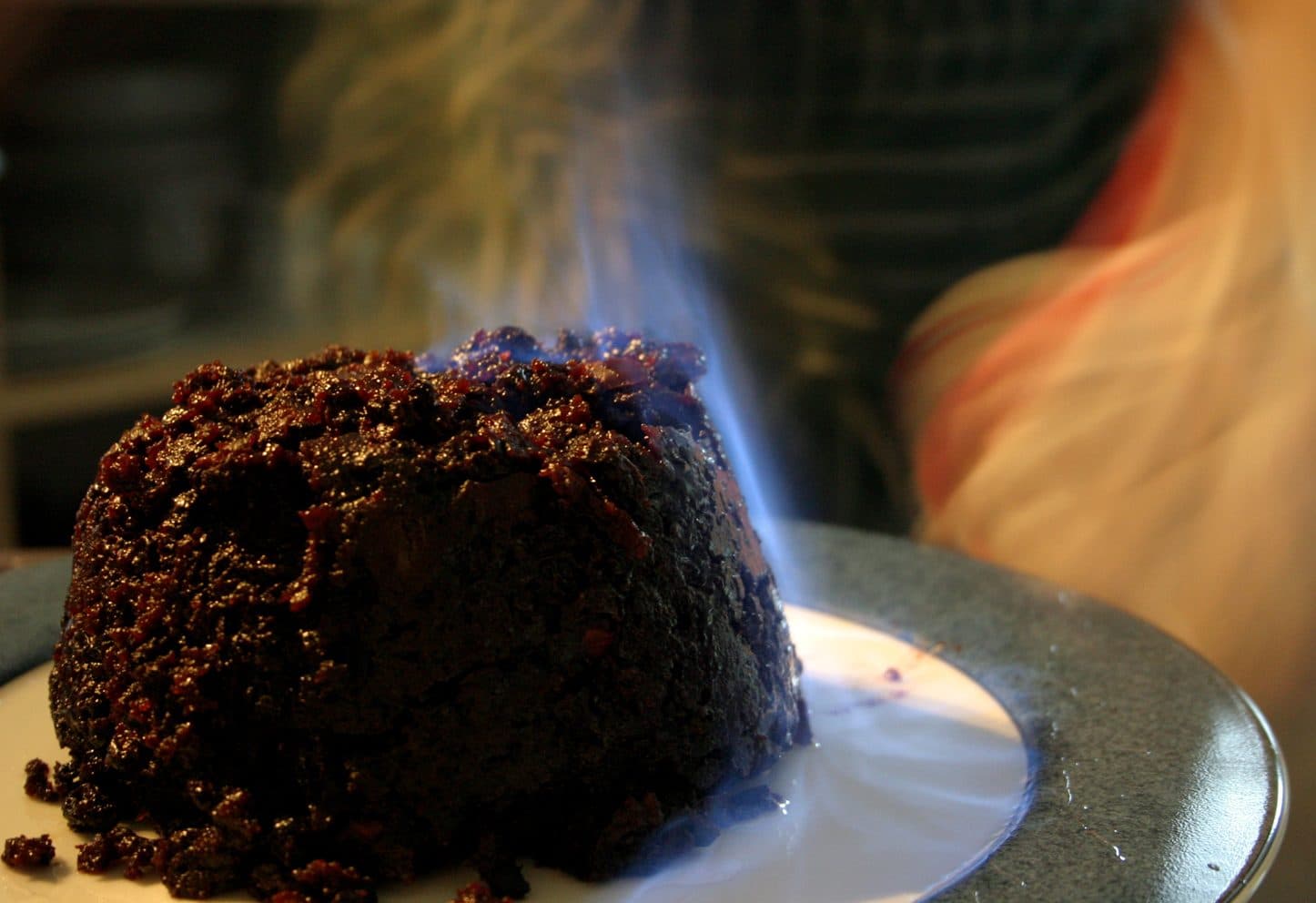
The commonest version, and the best. A roast that fills the house with heat and smell, everyone you like around one table, and something set alight for pudding if you are in the mood for it. No booking and no drive, just the oven doing the job it was made for on the coldest night you can find.
By the fire
A weekend away in the cold
The guesthouse tradition that started the whole thing is still the grand way to do it. A fire going properly, a dinner that runs long into the evening, and frost on the window when you wake. The high country has no shortage of cold rooms with good kitchens, and July is exactly when they are worth the drive.
In town
A winter market or a shared table
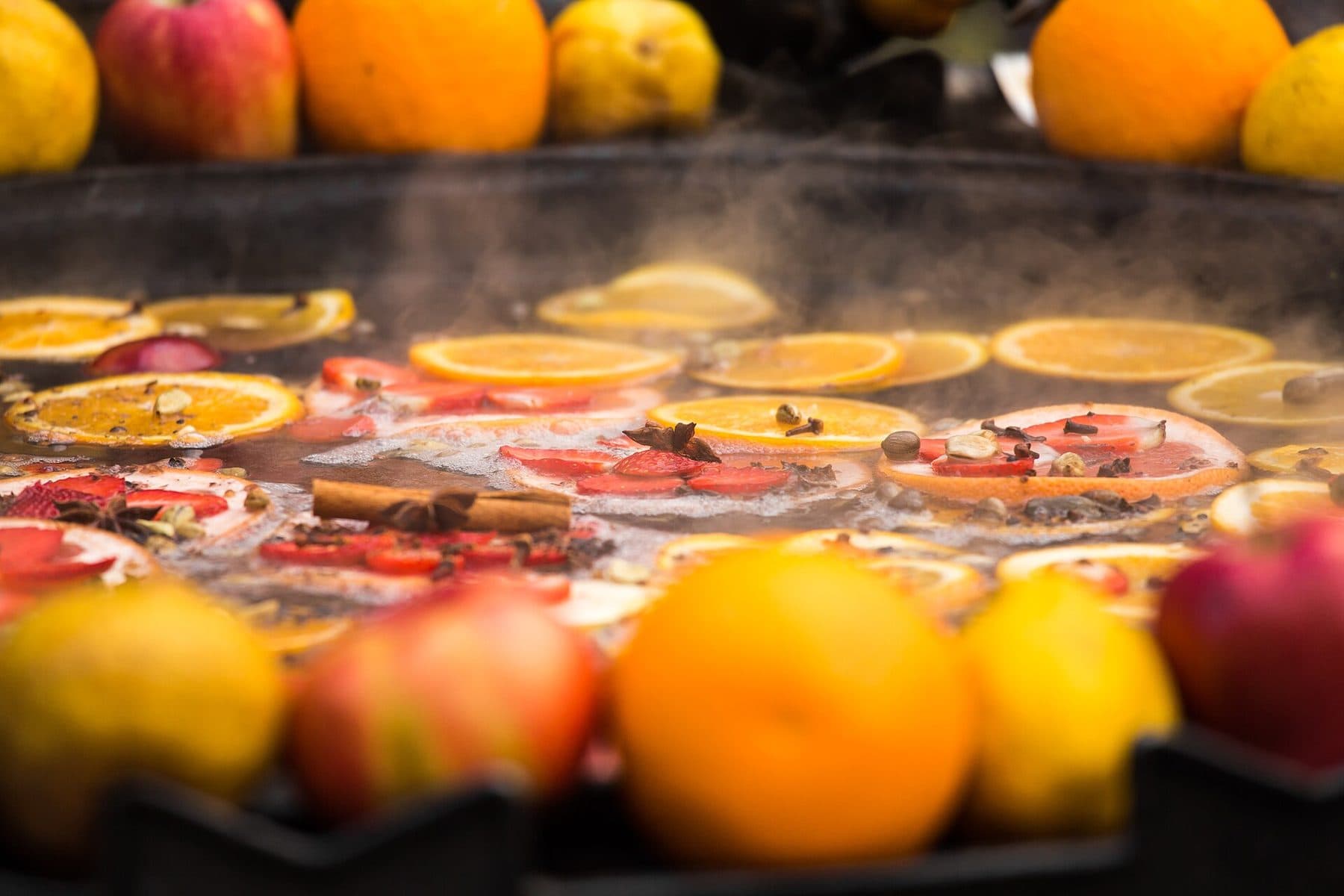
Plenty of towns lean into the season with a mid-winter market or a community lunch. Something hot and spiced to drink, a choir if you are lucky, and a reason to be out of the house together in the cold. It is Christmas with the fuss taken out of it, and the warm room and the company left in.
What a baker makes of it
A feast has always leaned on the baker. Long before anyone thought to move Christmas into July, the winter table was built on bread and on the sweet, fruited things that keep well in the cold, and that part of it needs no reinventing. We are not a Christmas shop and we will not pretend to be one. But a cold-weather table wants a good loaf at the middle of it, torn and passed round while it is still warm, and something soft and a bit sweet to finish, and those we can do. The plain white and the wholegrain both earn their place at a feast. The bun dough is very soft and very moist, and it is made for the cold morning after.
You do not need snow to keep a Christmas in July, and you certainly do not need ours to turn white. You need a warm room, a table with more chairs than usual round it, and enough hot food to make the dark outside beside the point. That is all the first one ever was. A fire, some cold weather, and people deciding to make a night of it instead of waiting the winter out. Pick a cold Saturday and put the oven on. Come in for the bread while it is still warm, and let July do the rest.
Thank you for reading.
More from the Journal
Tomatoes by Cup Day: Spring Planting Around Chiltern
Plenty of Victorian gardeners still wait for Melbourne Cup Day to plant their tomatoes. Around Chiltern the reason is frost, and the rule bends a little.
Read
Lake Anderson, the Gold Mine That Became Chiltern's Lake
Nobody dug Lake Anderson as a lake. It is what was left when the ground over an old gold mine sank, and the town has made good use of it since.
Read
Orchid Season in Chiltern's Ironbark Forest
For a few weeks each spring the forest floor outside town does something the rest of the year gives no warning of, and most of it is orchids.
Read