The King's two birthdays: a short history of the long weekend
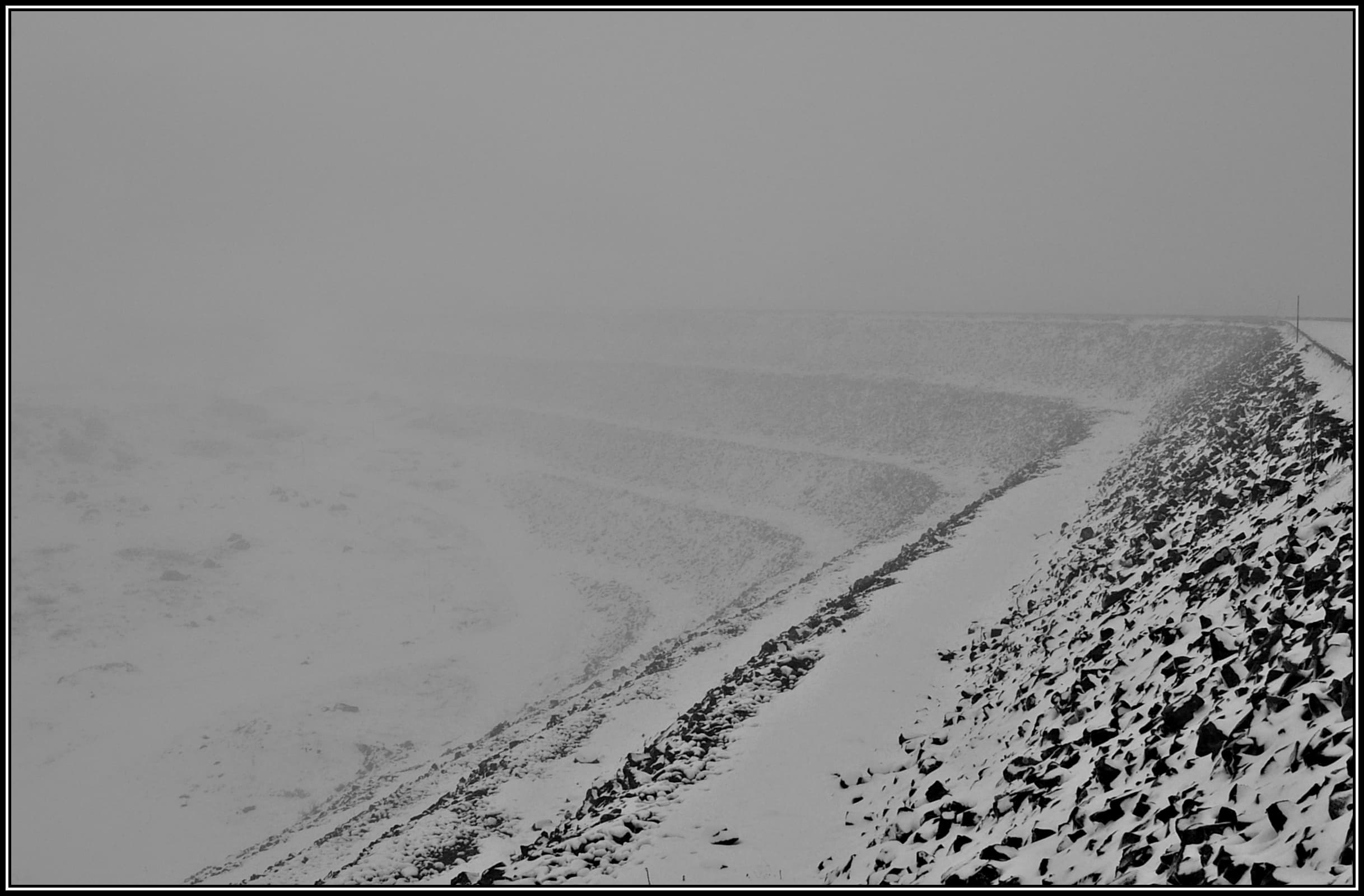
The second Monday in June arrives in the high country the way winter does: quietly, then all at once. The football is on at the MCG, the first snow is on the alpine road, and half of Victoria seems to be in the car by nine, headed for the hills, the coast, or a country town with the heater on. It is a long weekend, and it carries a name almost nobody stops to question: the King's Birthday. Which is the odd part, because the second Monday in June is not the King's birthday. It is not anyone's birthday. King Charles III was born on the fourteenth of November.
The man with two birthdays
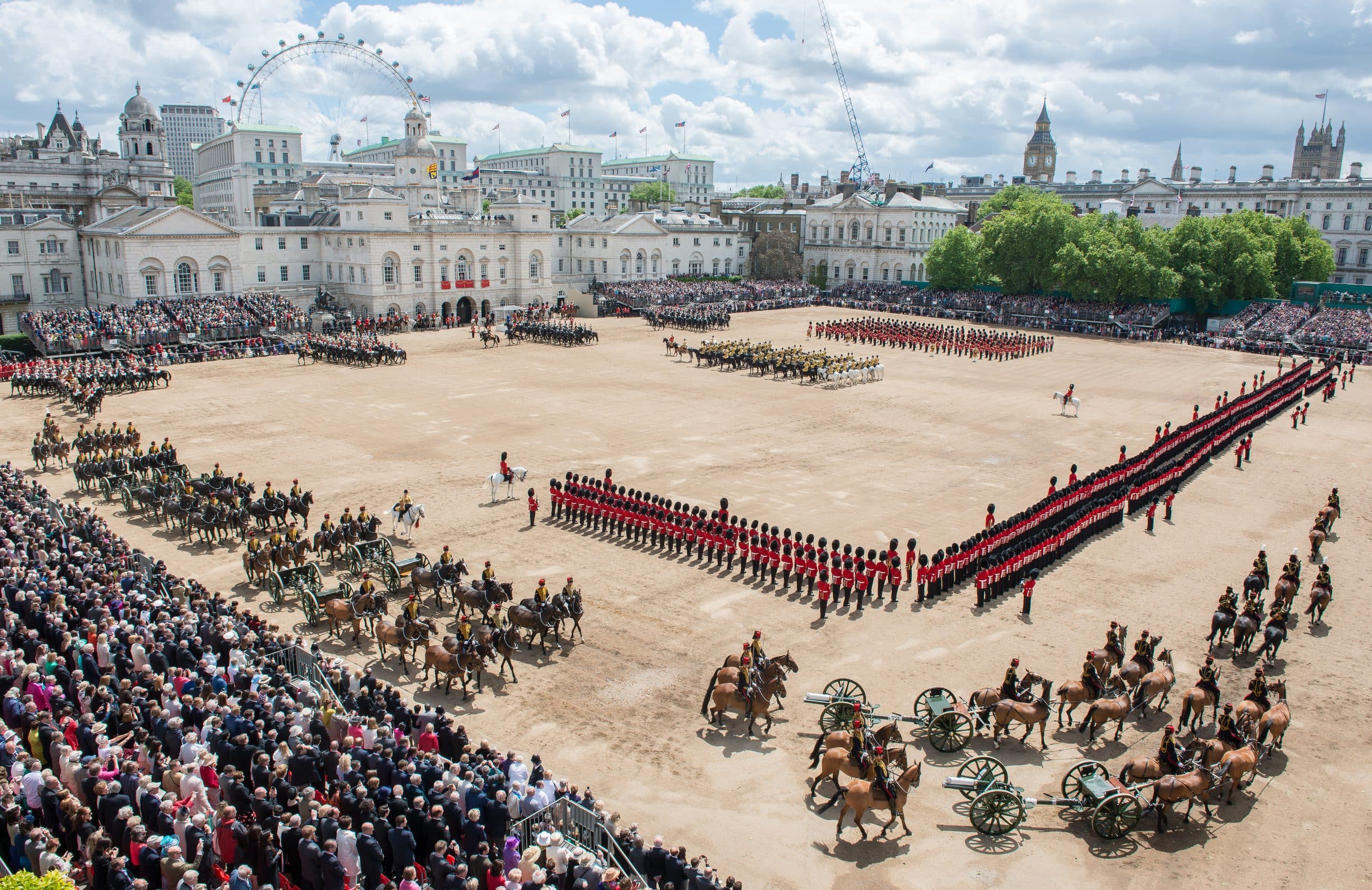
The idea that a monarch keeps two birthdays, a real one and an official one, is older than Australia. The ceremony at the centre of it, Trooping the Colour, is a military parade thought to date to the reign of Charles II. In 1748 it was settled that the parade would mark the sovereign's official birthday, and from the accession of George III in 1760 it became an annual event on the London calendar.
George II is usually given the credit for the habit. His real birthday fell at the cold end of the year, in late autumn, 1683. That was no day for a parade and a standing crowd, so the public celebration was shifted to the kinder weather of summer. The monarch kept the private date and gained a public one. Every sovereign since has done the same.
Why June, and why a Monday
The summer timing was a weather decision and nothing grander. Edward VII, born in November like the present King, kept his official celebration in late spring and early summer for the simple reason that London in November is no place for a parade, and across his reign the summer date became the settled convention. The official birthday lives in June because June is when you can reliably get a crowd outdoors in England, not because anything ever happened in June.
Australia followed the Crown, as it did in most things. For a long stretch the colonies, and then the states, marked the reigning monarch's actual birthday, whenever it happened to fall. That settled after King George V died in 1936. With no living sovereign's date to track, the holiday took the slot it still keeps, the second Monday in June, close to the early-June birthday the late King had held. And there it has stayed: a fixed Monday in the middle of the year rather than a date that moves with whoever wears the crown.
From the Queen's to the King's
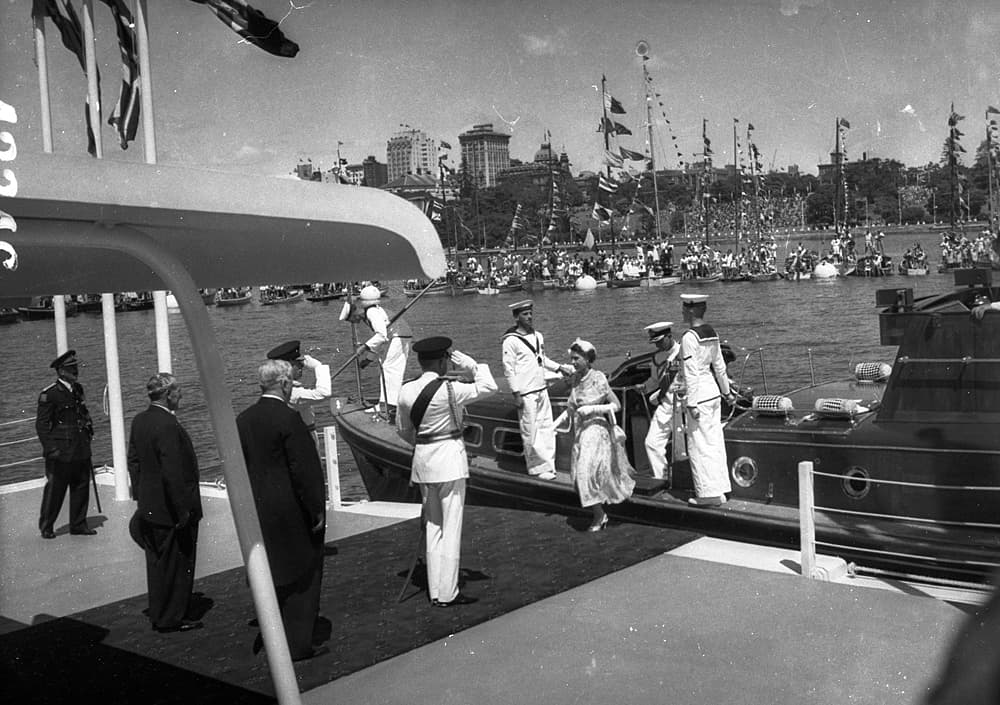
For most Australians alive today it was the Queen's Birthday, and had been for as long as they could remember. Queen Elizabeth II was born in April 1926 and died on the eighth of September 2022, after seventy years on the throne. The holiday changed its name with the Crown. From 2023 it became the King's Birthday, the first time the day had been renamed in about seventy years, with the last change coming in 1952 when 'King's' became 'Queen's' on her accession. The first King's Birthday holiday fell on Monday the twelfth of June 2023. Nothing about the day changed but the word on the calendar.
The King's first June
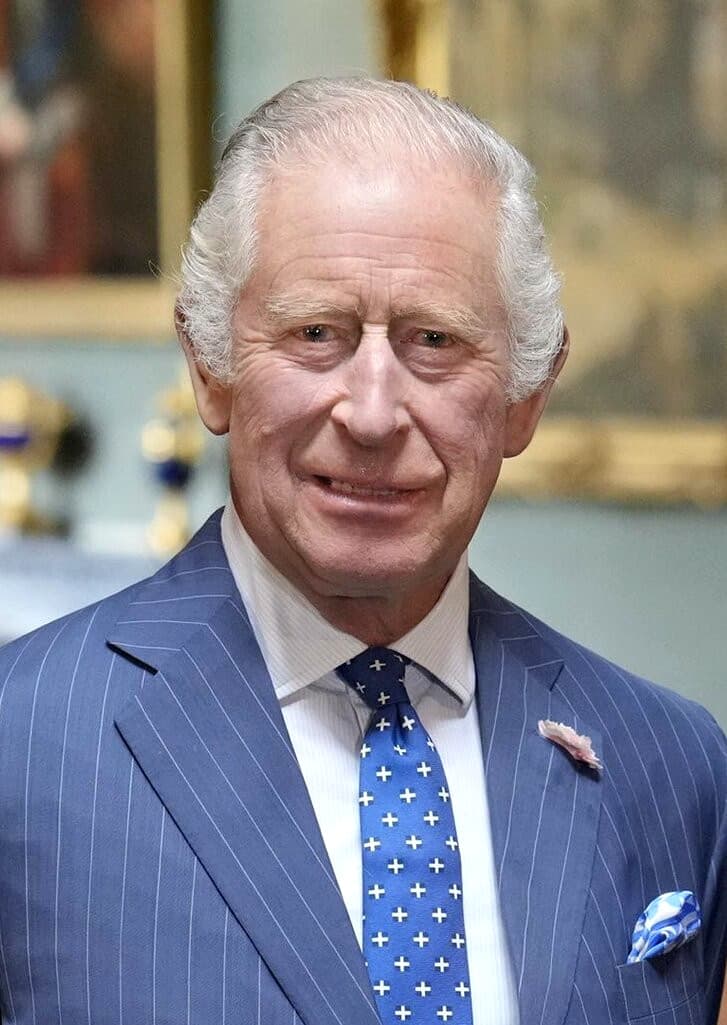
Charles III came to the throne on the day his mother died, and his official birthday slid neatly into the slot the Queen's had held: the same second Monday in June, the same long weekend, the same football. His real birthday is still in November, where it has always been. Like every sovereign before him, he now keeps one of each.
The states that never agreed
If the date seems arbitrary, the map makes it more so. The one King's birthday is observed on three different days depending on where in the country you happen to be standing, and not one of the three is the day he was actually born.
- Victoria, New South Wales, South Australia, Tasmania, the Northern Territory and the ACT take the second Monday in June. In 2026 that is Monday the 8th.
- Western Australia keeps early June for Western Australia Day and floats the King's Birthday into spring, on a date the Governor proclaims each year. In 2026 it falls on the 28th of September.
- Queensland moved its holiday to the first Monday in October back in 2016, and has kept it there since.
The football, the freeze, and the honours
In Victoria the day has gathered traditions of its own that have little to do with any king. Melbourne and Collingwood first met on the holiday in 1898, and since 2001 it has been the marquee match the league plays at the MCG on the public holiday, a fixture the calendar now bends around. The largest home-and-away crowd in the competition's history, 99,256, came to a Queen's Birthday match in 1958, and the record has stood ever since. Since 2015 the game has opened with the Big Freeze, the fundraiser run by FightMND, the charity Neale Daniher co-founded after his own motor-neurone-disease diagnosis. In it, well-known faces slide into a tank of ice water for research he did not live to see finished. Daniher died in late May, weeks before this long weekend, and the MCG holds his state funeral the same week. This year's freeze is the first without him.
And alongside the football, the King's Birthday Honours List is announced: the year's appointments to the Order of Australia, released to mark the holiday. It is the quiet half of the weekend: a long list of names most of the country has never heard, each one attached to some work done well over a long time. The football is the loud half. Both are, in their way, the same idea: a day set aside to mark things.
The long weekend at our door
The start of winter
For a lot of Victorians the June long weekend is the real start of winter. The alpine resorts open their lifts about now; the snow road fills; the back roads through the north-east carry more traffic than they will again until the spring. Chiltern sits on one of those roads, a couple of hours short of the snow, out on the inland run. It is the kind of town a long weekend slows down in for fuel, for a walk down Conness Street, for something warm before the long climb into the hills.

So that is the history behind the Monday you have off: a German-born king with a winter birthday, a parade that needed good weather, a habit that crossed the world and outlived the empire that carried it, and a name that changed only a few years ago, for the first time in seventy. None of it is the King's actual birthday. All of it is a long weekend. If you are driving up for the snow, or taking the slow way home, the bakery is on Conness Street and the bread is out early. Come in out of the cold and read the rest of it at a table by the window.
Thank you for reading.
More from the Journal

Tomatoes by Cup Day: Spring Planting Around Chiltern
Plenty of Victorian gardeners still wait for Melbourne Cup Day to plant their tomatoes. Around Chiltern the reason is frost, and the rule bends a little.
Read
Lake Anderson, the Gold Mine That Became Chiltern's Lake
Nobody dug Lake Anderson as a lake. It is what was left when the ground over an old gold mine sank, and the town has made good use of it since.
Read
Orchid Season in Chiltern's Ironbark Forest
For a few weeks each spring the forest floor outside town does something the rest of the year gives no warning of, and most of it is orchids.
Read