Counting regent honeyeaters in the Chiltern ironbark
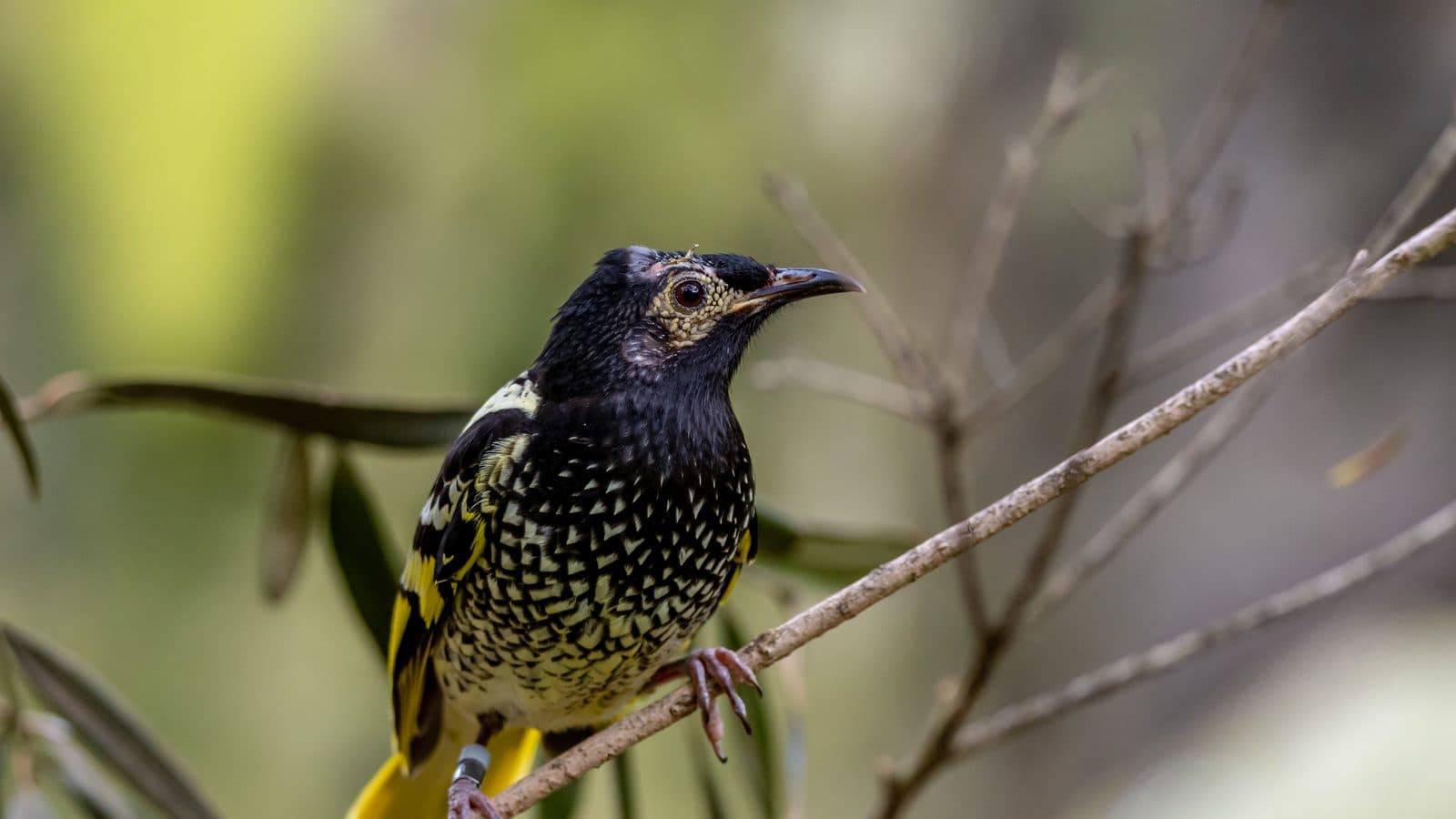
The forest starts not far from where the houses stop. Head out of Chiltern and within a few minutes the paddocks give way to box and ironbark, grey trunks and a thin canopy that lets a lot of light through, and it carries on like that for a long way in every direction. Most people driving through to Beechworth would not give it a second look. The country is low and the trees are ordinary. For all that, it is one of the best patches of its kind left anywhere.
A park that does not look like much
Chiltern-Mt Pilot National Park runs to a bit over 21,000 hectares between the town and Beechworth. The trees are red stringybark, Blakely's red gum, grey box and mugga ironbark, none of them giants. Parks Victoria has recorded more than 200 bird species in it, and of all the box-ironbark sites on the books this one holds the highest number of mammal, bird and reptile species. None of that is obvious from the roadside.
The park is a very unassuming park when you look at it.
What was taken out of it first
None of this is untouched country. The mining came through in the middle of the 1800s, alluvial and reef and quartz, with gravel quarrying alongside it. Timber cutting started in the 1930s and firewood was still being taken off these hills until 2002, which is the year the national park was declared. Cattle grazed the Chiltern section into the 1980s and the Mt Pilot side into the 1990s. What is standing there now is what grew back afterwards.
The bird that follows the blossom
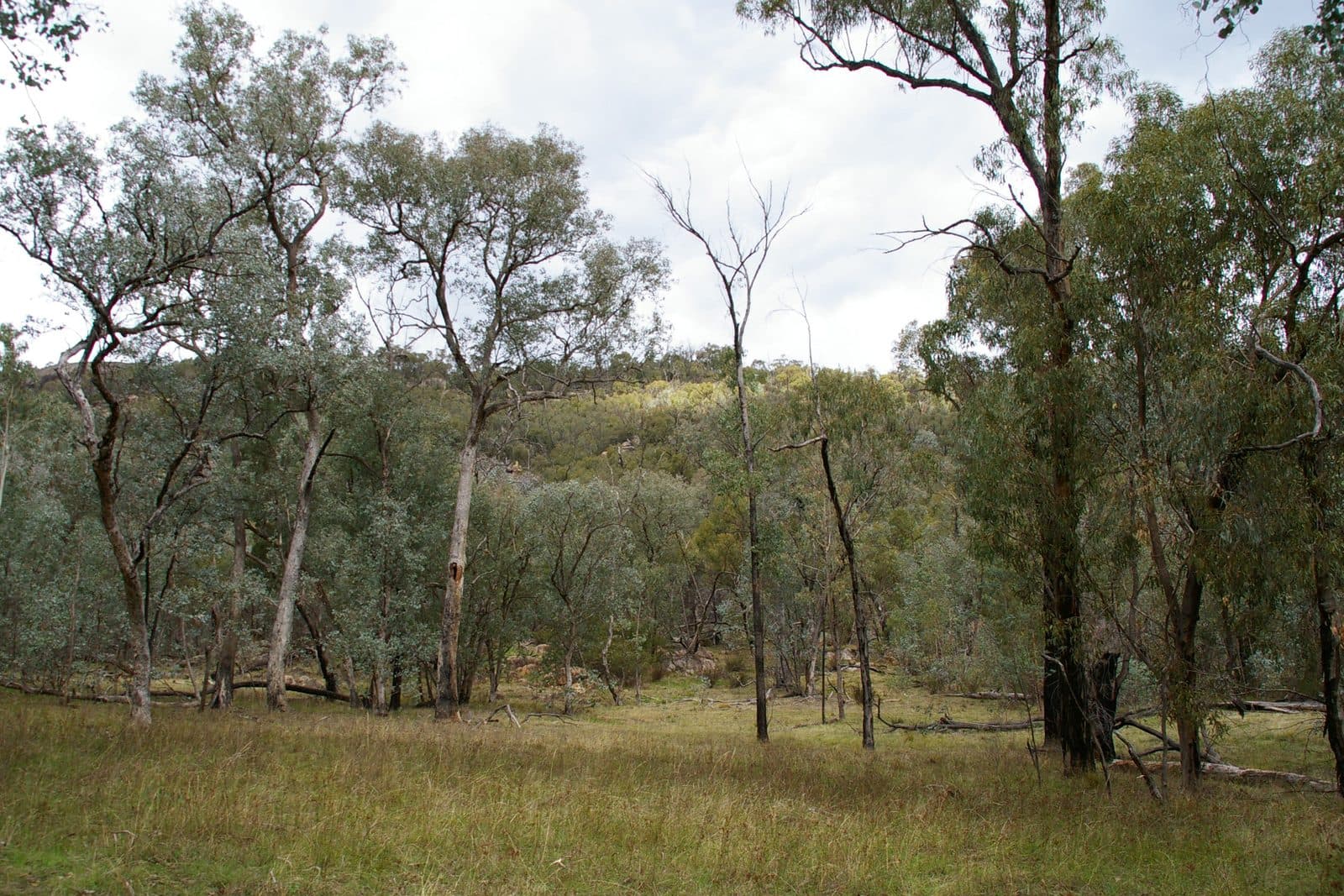
The regent honeyeater is black and yellow, with a fine scalloped pattern down the breast that makes the bird look embroidered. It does not hold a patch of ground the way a magpie does. It moves, following whichever eucalypts happen to be in flower, and it feeds on the nectar of a fairly short list of trees.
- Mugga ironbark (Eucalyptus sideroxylon), the main one
- White box (Eucalyptus albens)
- Yellow box (Eucalyptus melliodora)
When those flower well the birds turn up. When they do not, the birds are somewhere else altogether, and there is no arguing with them about it. Nesting runs from about August through to October, so the next stretch of weeks is when it matters most.
Letting them go, and then counting
Chiltern-Mt Pilot is the key habitat for the species in this state, and twice now birds have been brought here and let go. Seventy-seven went out in April 2015. Around a hundred more followed in April 2017, raised in captivity and released into the ironbark to sort themselves out. Put like that it sounds like the end of the job.
So people go out and look. After the 2017 release more than 210 people from around the district put in over 3,000 hours between them, walking the tracks, watching the trees that were in flower and writing down what they saw. A good deal of it is plain, unhurried work with nothing to show at the end of the morning. It is also the only reason anyone can say whether the releases were worth doing.
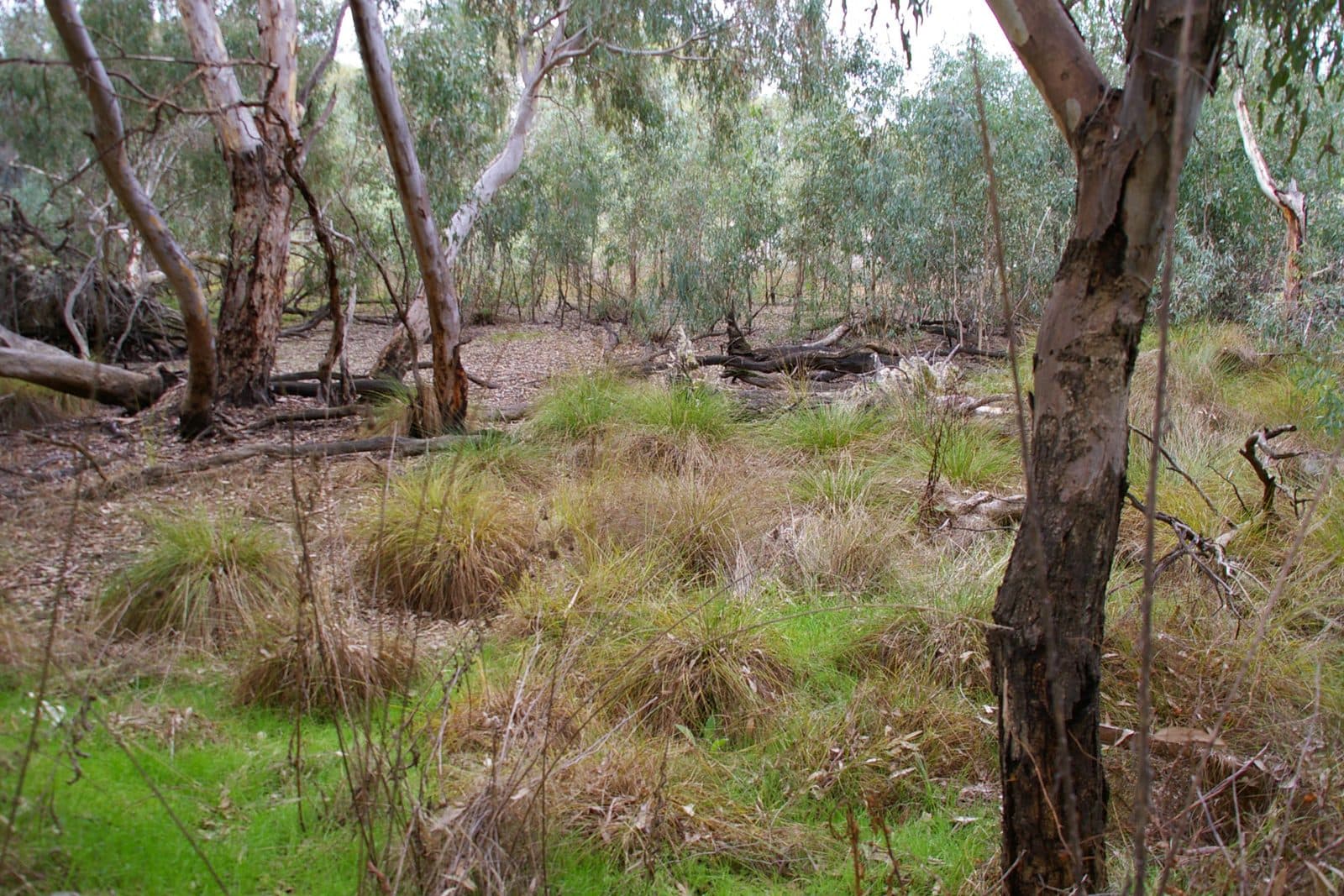
The Friends of Chiltern-Mt Pilot National Park have been at it for more than twenty-five years. They pull weeds, put up nest boxes, replant, keep a plant database with photographs of the lot, and twice a year they run bird surveys through the park. On a survey morning everyone gathers for a briefing, each team is handed a UHF radio and an area to cover, and they head for wherever the eucalypts are flowering. Later they come back in and compare notes over lunch.
If you go out there yourself
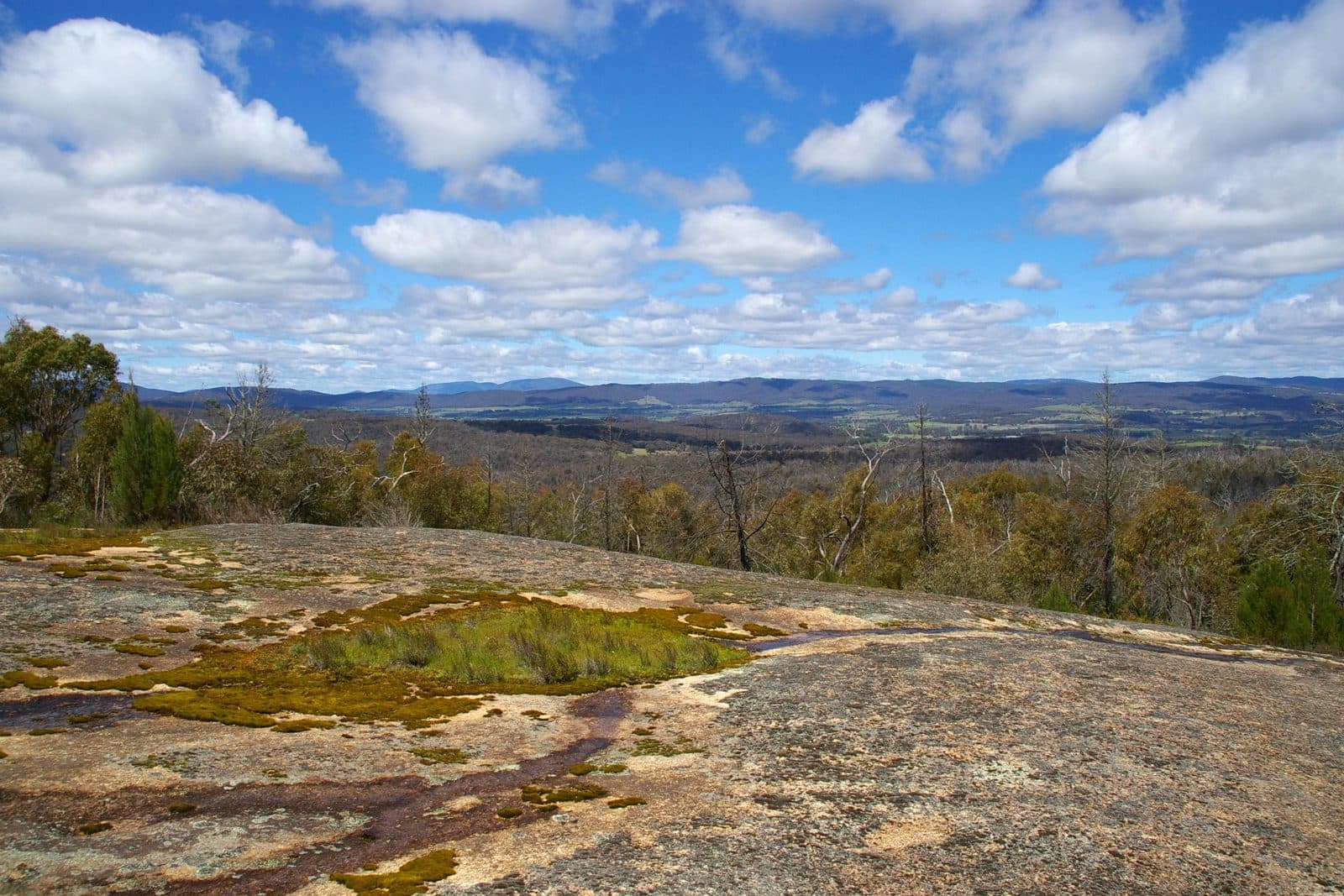
Spring is the time to do it. The understorey comes out through September and October, wattles and lilies and bush peas, and then the orchids, which people will drive a fair way to see. Tanya Thompson, who is president of the Friends group, reckons the orchids are a real drawcard in their own right. Mount Pilot has a lookout at the top of it with a long view over the district, and the Whitebox Walking Track runs eight and a half kilometres, which is a couple of hours if you take your time over it.
You probably will not see a regent honeyeater. Most people never do, and the ones who do have usually been going out for years. The forest in early spring is worth a morning either way. Call in and see us before you head up there, we are open from seven and the bread is out early, and it is a better walk with something in your pocket.
Thank you for reading.
More from the Journal

Tomatoes by Cup Day: Spring Planting Around Chiltern
Plenty of Victorian gardeners still wait for Melbourne Cup Day to plant their tomatoes. Around Chiltern the reason is frost, and the rule bends a little.
Read
Lake Anderson, the Gold Mine That Became Chiltern's Lake
Nobody dug Lake Anderson as a lake. It is what was left when the ground over an old gold mine sank, and the town has made good use of it since.
Read
Orchid Season in Chiltern's Ironbark Forest
For a few weeks each spring the forest floor outside town does something the rest of the year gives no warning of, and most of it is orchids.
Read