The Shepherd Who Painted Chiltern on Gum Leaves
Alfred Eustace came to Chiltern in 1851, one of the many who followed work rather than gold, and took a job minding sheep on the Eldorado run for a grazier named Jason Withers.
It was solitary work, days at a time with nothing but the flock and the bush around him, and he filled the hours the way plenty of shepherds did, by carrying a small box of oils in his swag and teaching himself to paint. Canvas and paper were not things a man carried far out on a run, so before long he was painting on what he actually had to hand: the leaves off the red box and white box gums.
From the Woolshed diggings to the courts of Europe
It held up. A painting of the gold rush at the Woolshed diggings, not far from Chiltern, first got him noticed in 1856. Forty years later he was still at it, and by 1896 orders for his gum leaf paintings were arriving from grand houses across Europe. His work was acknowledged by Queen Victoria, by Emperor Frederick of Germany, by the Tsar of Russia, and by the governors of both New South Wales and Victoria.
More than a painter
Painting was not his only trade. He was a skilled taxidermist, and the birds and animals on display at the Beechworth Museum were prepared by his hand. He wrote letters and verse for the Chiltern paper as well, and in the 1870s took a public position in the town's genuine dispute over spiritualism.
Still on the wall
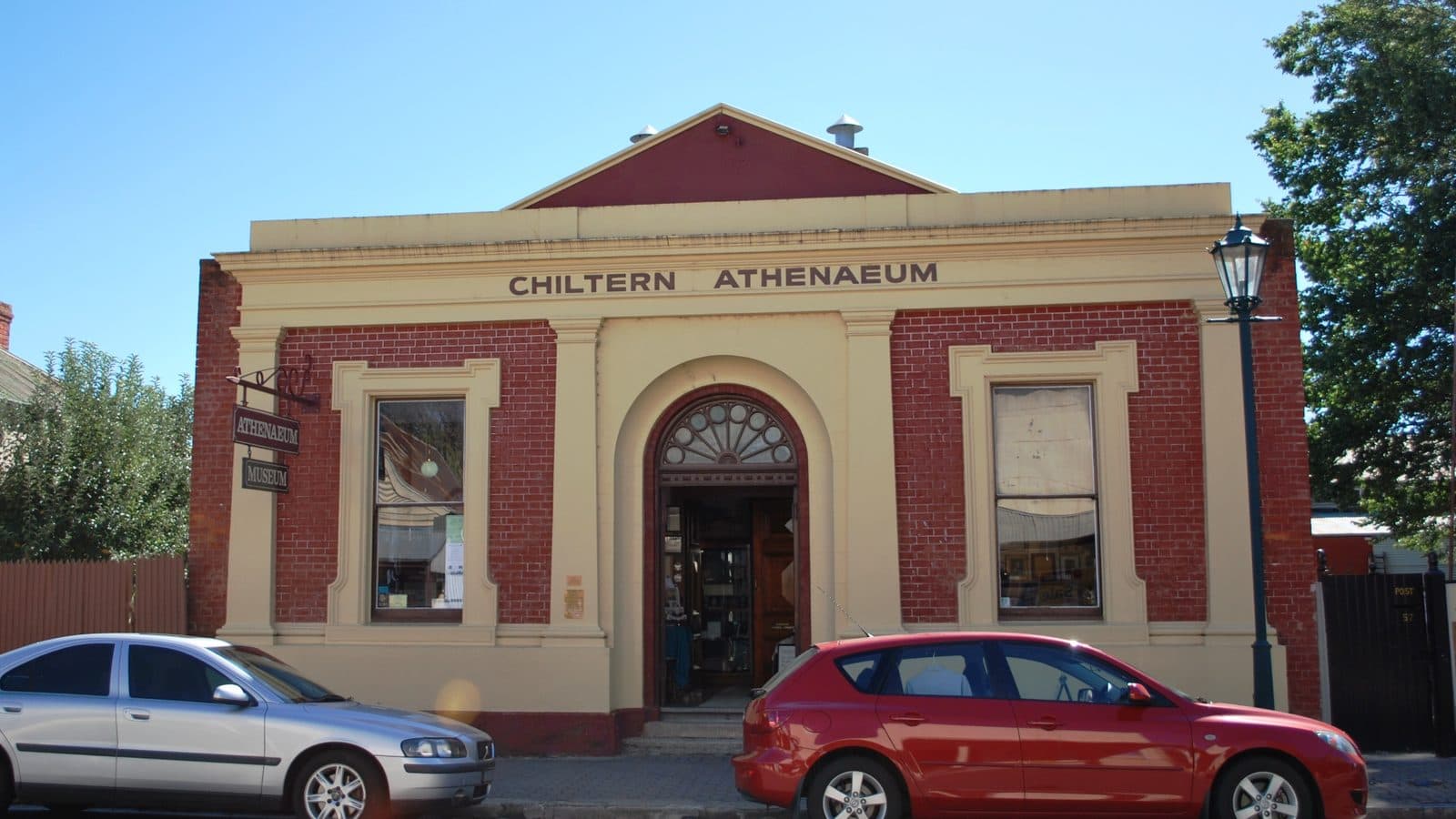
Eustace died in 1907, but his paintings did not leave Chiltern. Several of his gum leaf works hang today in the Chiltern Athenaeum, the same building that has stood on Conness Street since 1866, alongside a handful of his paintings on canvas. His daughter Annie, who married a man named Edward Jessup, kept the gum leaf tradition going after him, and one of her paintings sits in the museum too, given along with local timber samples by Eustace's son Sidney.
More of his canvas work found its way back more recently, when a private owner parted with two of his paintings and gave them to the museum.
When they started the Eustace collection at the museum I thought it would be the place for them.
They hang there now, beside the gum leaves that started it all, still holding their colour after more than a century in a frame.
The Athenaeum keeps volunteer hours, so it is worth timing a walk up Conness Street around them if you want to see the leaves for yourself. On your way back through the town on a quiet spring morning, call in at the bakery, the ovens are going from early and there is always a loaf coming out warm.
Thank you for reading.
More from the Journal
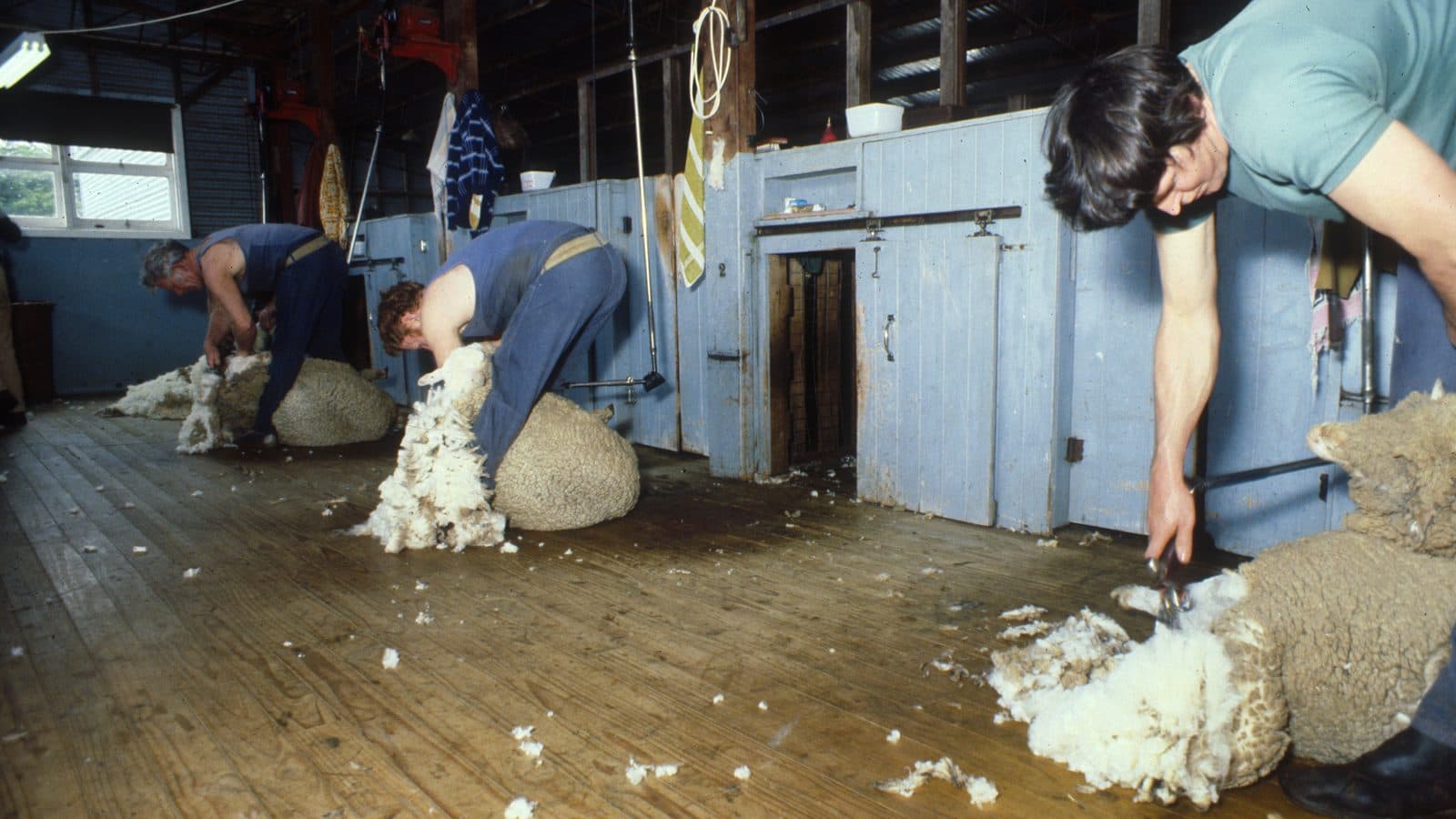
Shearing season, and the shed Tom Roberts painted
Spring is when the wool comes off across the north-east. In 1888 a painter carried his canvas into a shed over the river and made the picture everybody knows.
Read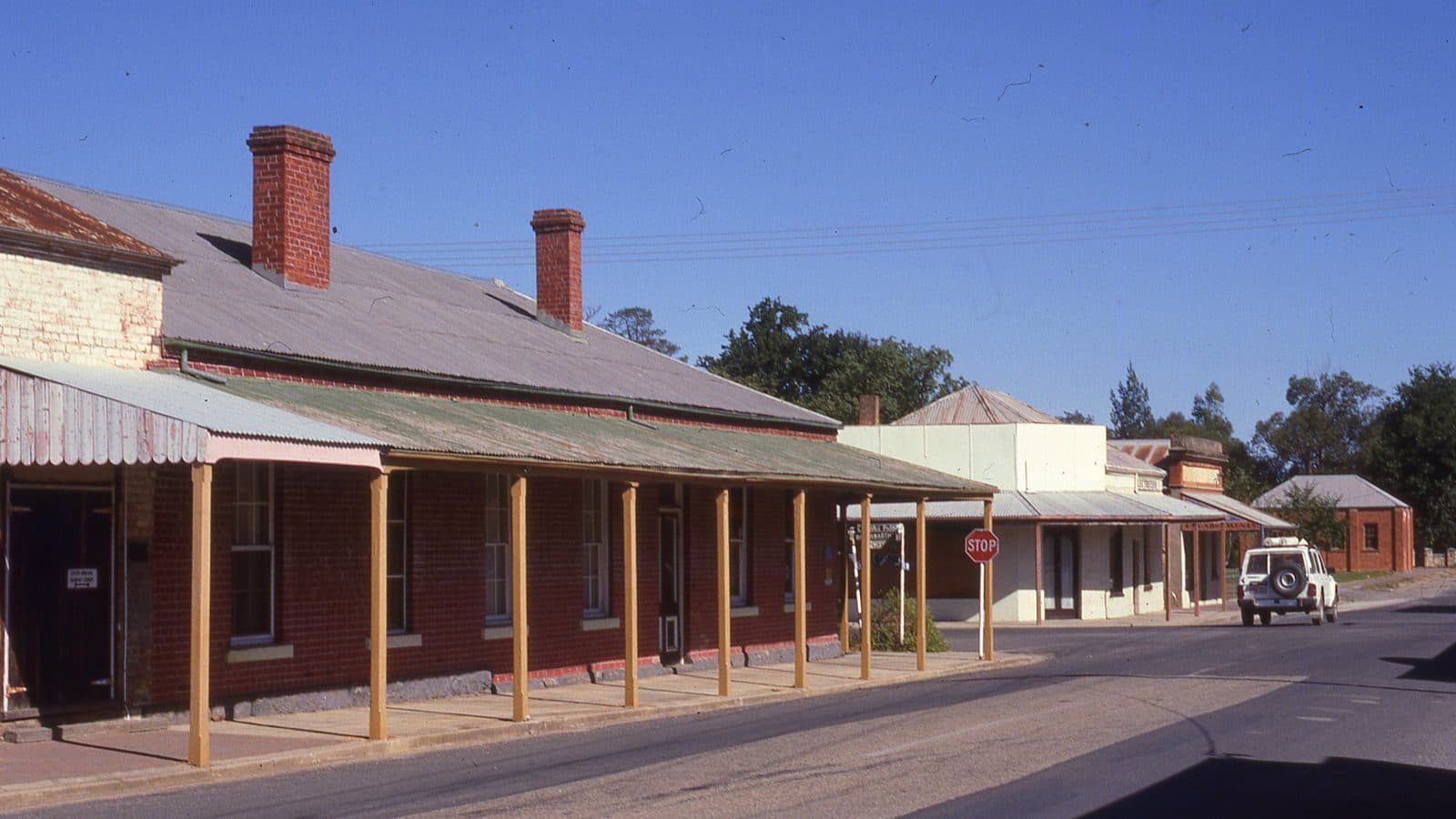
Dow's Pharmacy, Chiltern: the shop left as it was
A pharmacy has stood on Conness Street since 1859. When Dow's shut its doors in 1969 the stock stayed on the shelves, and it is all still in there.
Read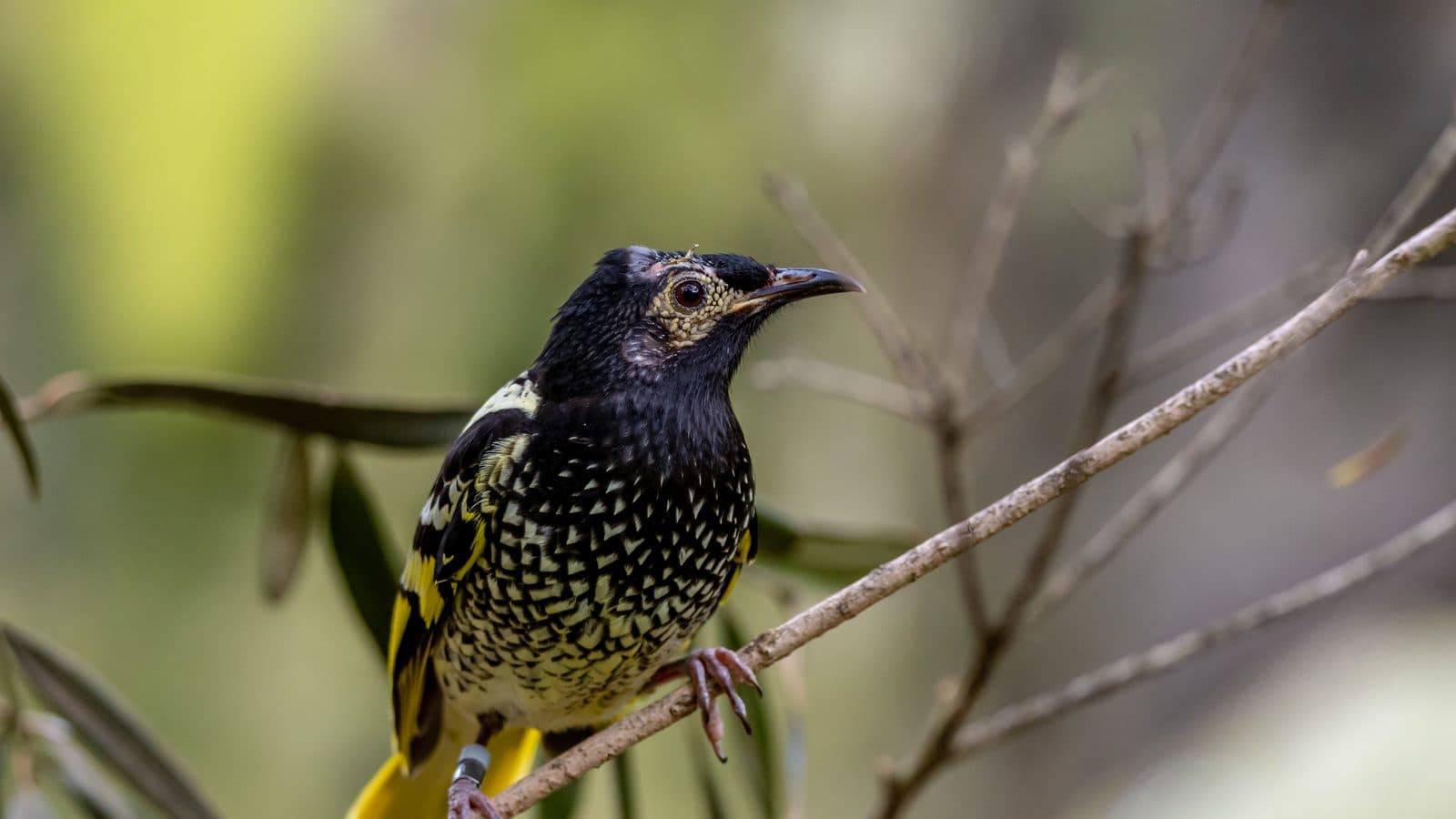
Counting regent honeyeaters in the Chiltern ironbark
The forest at the edge of town looks like nothing much. It holds one of the rarest birds in the country, and twice a year people go out and count them.
Read